
Introduction to German Pancakes
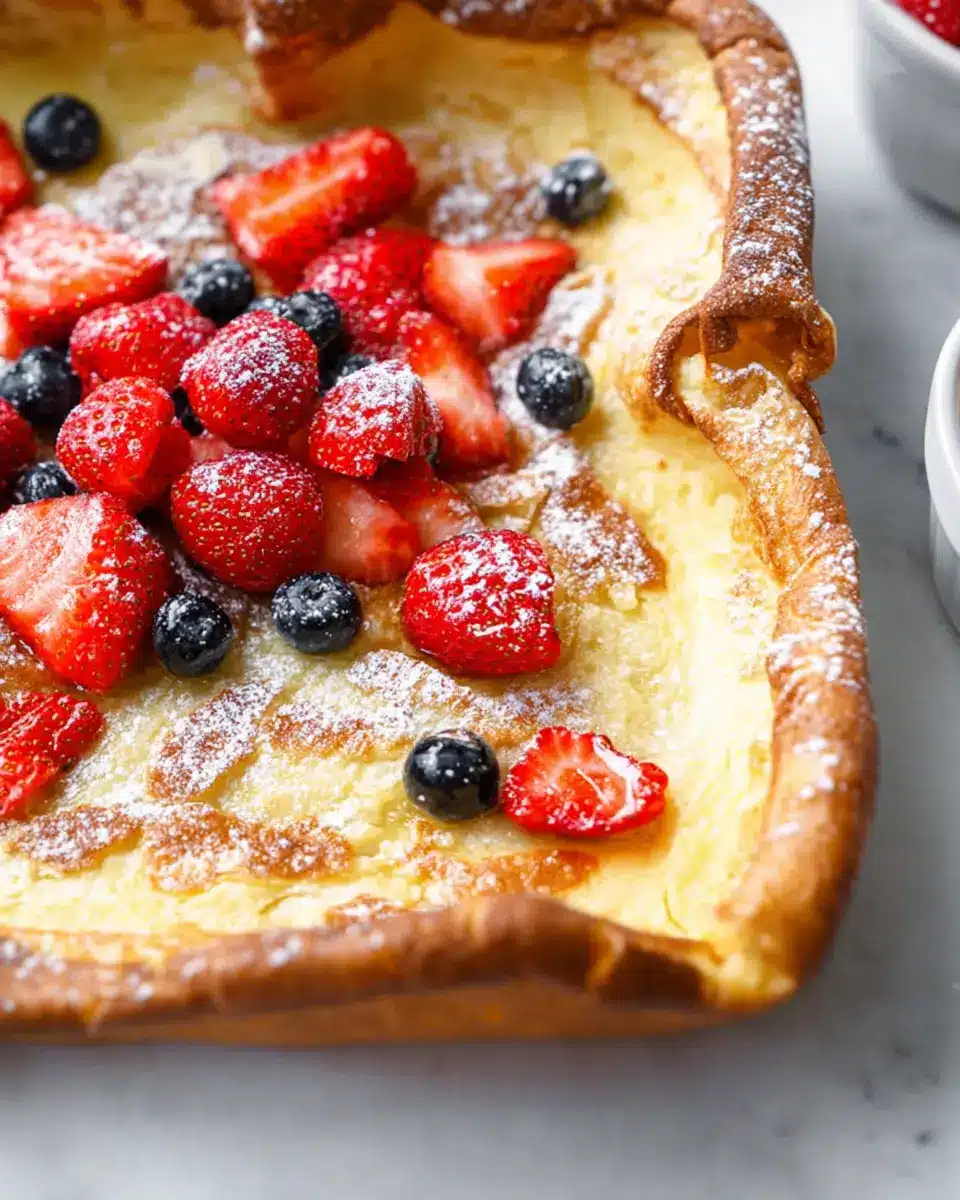
German pancakes, also known as Dutch baby pancakes, are a delightful twist on your typical breakfast fare. What really makes these pancakes stand out is their fluffy, custard-like texture. While regular pancakes are cooked on a griddle, German pancakes are baked in the oven, allowing them to puff up impressively while they cook. This unique preparation creates a dramatic presentation that's sure to impress your brunch guests or family.
What makes German pancakes unique?
One of the most interesting aspects of how to make German pancakes is their simplicity. The batter consists of just a handful of pantry staples—eggs, flour, milk, butter, and a touch of vanilla and salt. This means you can whip them up quickly on a busy morning or for a special occasion without the fuss. Plus, the addition of eggs makes these pancakes not only delicious but also satiating, ensuring you and your loved ones stay full and energized.
To add to the excitement, the high oven temperature helps the edges crisp up while the center remains soft and airy, creating a delightful contrast in each bite. If you’re looking for a way to elevate your breakfast game, these versatile pancakes can be served with a variety of toppings, from fresh berries to a drizzle of syrup, making them customizable to fit any taste.
For more tips on perfecting this dish, check out Food Network’s pancake tips.
Ingredients for German Pancakes
Essential ingredients for a fluffy batter
When venturing into how to make German pancakes, you'll need some key ingredients to create that signature poofy texture. Here's what you'll need:
- ¼ cup butter: This adds richness and helps create a crisp edge.
- 6 eggs: A must for fluffiness—eggs are the backbone of this recipe!
- 1 cup all-purpose flour: It provides the structure that holds everything together.
- 1 cup whole milk: Dairy contributes creaminess; feel free to substitute with a plant-based milk if desired.
- 1 teaspoon vanilla: Adds sweetness and enhances flavor.
- Dash of salt: Just a hint to balance the sweetness.
These simple ingredients combine to form a delicious batter that rises beautifully when baked.
Additional toppings for your pancakes
Once your German pancakes are out of the oven and perfectly golden, embellishing them is easy and fun! Here are some delicious topping ideas to elevate your breakfast:
- Squeeze of lemon juice: A zesty touch that brightens flavors.
- Powdered sugar: For a sweet, delicate finish that looks quite charming.
- Maple syrup: Always a classic—its rich flavor pairs beautifully.
- Fresh berries: Strawberries, blueberries, or raspberries add freshness and color.
Feel free to mix and match to create your ultimate pancake experience! Want more inspiration? Check out this article for endless topping ideas.
Step-by-step Preparation of German Pancakes
Making German pancakes, or Dutch baby pancakes, can feel a bit magical with their impressive puffiness. But fear not! Here’s a friendly, step-by-step guide on how to make German pancakes that will have you serving up a delightful breakfast in no time.
Preheat the oven and prepare the baking dish
Start by preheating your oven to 425°F (220°C). While the oven is heating up, take a 9×13-inch baking dish and add ¼ cup of butter. Place the dish in the oven to melt the butter as it preheats. This not only gives your pancakes a delicious buttery flavor but also helps create that lovely golden crust!
Blend the pancake ingredients
Once your oven is ready, it's time to whip up the batter! Grab your high-powered blender and add the following ingredients:
- 6 eggs
- 1 cup all-purpose flour
- 1 cup whole milk
- 1 teaspoon vanilla extract
- A dash of salt
If you really want to make your pancakes sing, toss in a squeeze of lemon juice for that zesty lift (trust us, it’s fantastic!). Blend everything until the mixture is completely smooth. You’re looking for a velvety texture that will result in light, airy pancakes.
Pour batter and bake
Carefully remove the hot baking dish filled with melted butter from the oven. Pour the pancake batter directly into the baking dish over the melted butter. Don’t worry if it looks a little odd—this is part of the magic! Slide the dish back into the oven and bake for 20-25 minutes. Your kitchen will start to fill with a delightful aroma, and you’ll likely find yourself peeking in to see how it’s rising.
Monitor the baking process for puffiness
As your pancake bakes, keep an eye on it. You'll want to watch for that stunning puffiness that makes German pancakes so special. The edges should turn slightly browned and golden while the center puffs impressively. This is the time to snap some pictures for your Instagram feed!
Serve and enjoy your creation
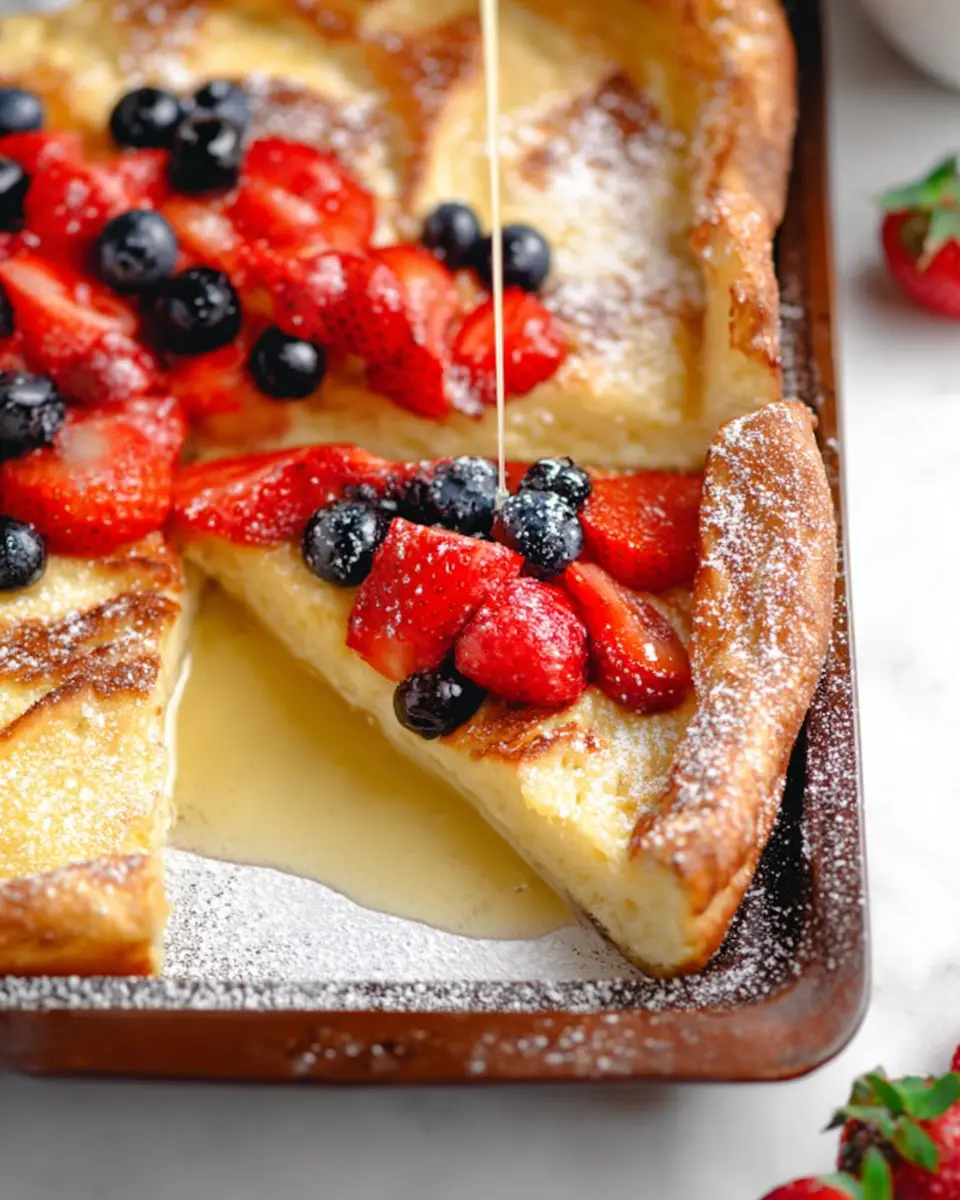
Once your German pancake is beautifully puffed and you can't stand the wait any longer, remove it from the oven. For that final touch, add a squeeze of lemon juice and a sprinkle of powdered sugar—it’s a game changer! Feel free to top with your favorites, like maple syrup and fresh berries.
Now gather around the table, slice it into wedges, and enjoy your creation. Everyone will love digging into this fluffy delight, and you'll certainly be the star of breakfast! If you'd like some more inspiration, check out my other breakfast recipes here. Happy cooking!
Variations on German Pancakes
Flavored German pancakes
Once you master how to make German pancakes, the fun truly begins with flavor variations! Consider adding a hint of spice with cinnamon or nutmeg to the batter for a cozy twist. You can also fold in ingredients like chocolate chips or peanut butter for a richer experience. Don’t forget about fresh herbs like basil or mint for a refreshing change; simply blend them into the batter for a unique taste.
Savory options for German pancakes
For those craving something savory, think outside the box! Incorporate sautéed vegetables such as spinach, bell peppers, or mushrooms into the pancake before baking. Top your German pancakes with avocado, turkey bacon, or chicken ham for a satisfying breakfast. Experimenting with sour cream or a light cream cheese spread can elevate your pancake feast to a gourmet level. The possibilities are endless, making this dish a versatile breakfast favorite!
Cooking Tips and Notes for German Pancakes
Tips for Achieving the Best Texture
To achieve those dreamy, lofty German pancakes, make sure to blend the batter until it's perfectly smooth. An immersion blender works wonders, but a standard blender does the job just as well. Allowing the batter to rest for a few minutes before baking can also help create a lighter final dish. Remember, your oven's temperature plays a big role – keep it at a precise 425°F to ensure that magical puff!
Common Mistakes to Avoid
One common pitfall is overmixing the batter, which can lead to dense pancakes. Also, don’t rush the melting butter—properly melted butter adds richness and helps the batter rise. Lastly, resist the urge to peek at your pancakes in the oven too early; allow them to bake undisturbed for a consistent texture. For more tips on how to make German pancakes, check out this helpful guide.
Serving Suggestions for German Pancakes
Perfect pairings for your German pancakes
German pancakes are delightful on their own, but pairing them can elevate your breakfast experience. Consider serving them with Turkey Bacon or Chicken Ham for a savory twist. Fresh fruit is another perfect addition; try vibrant mixed berries or even sliced bananas. A side of yogurt, whether it’s Greek or traditional, can add a tangy contrast that complements the richness of the pancakes beautifully.
Creative serving ideas
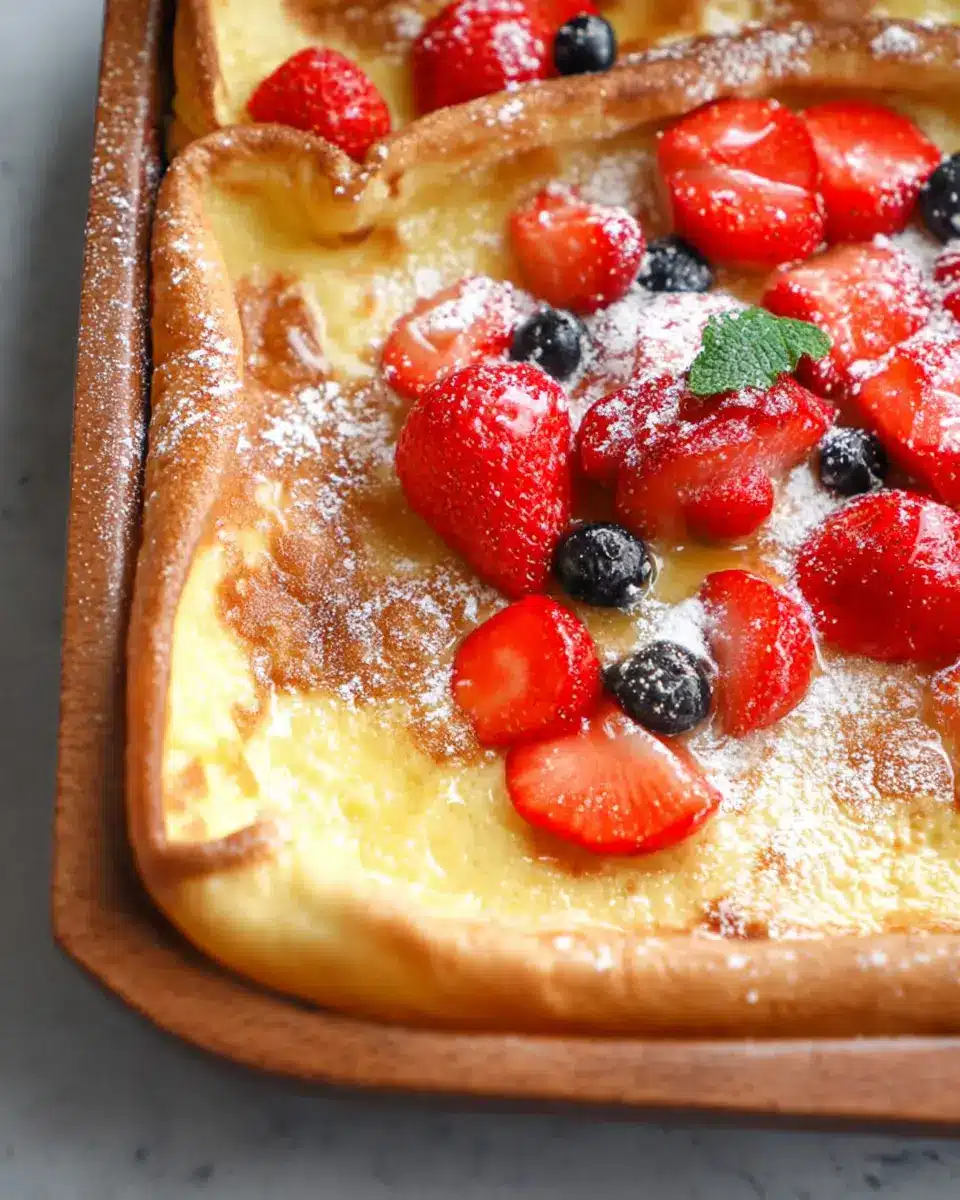
Get creative when it comes to dressing up your German pancakes! You can drizzle them with maple syrup or honey, and for an extra touch, a sprinkle of powdered sugar and a squeeze of lemon juice can brighten up the flavors. For an indulgent option, spread a thin layer of Nutella or whipped cream on top, then layer with fruit. These simple touches make a stunning presentation and will impress everyone at your breakfast table.
Looking for more ideas? Explore recipes at Serious Eats or Bon Appétit for suggestions on breakfast pairings!
Time Breakdown for German Pancakes
Preparation time
Getting started is a breeze! With just 5 minutes of prep, you’ll be well on your way to deliciousness. Gather your ingredients and blend them in a jiffy.
Cooking time
Let your oven do the magic! Baking the German pancakes takes about 20 minutes. Just watch as they puff up beautifully.
Total time
In only 25 minutes total, you’ll have a decadent breakfast ready to serve. Perfect for cozy weekends or quick weekday indulgence! If you’re curious about more recipe timings, consider checking out resources about meal prep planning.
Nutritional Facts for German Pancakes
When learning how to make German pancakes, it's great to know what you're enjoying! Each serving offers about 240 calories, delivering a mix of essential nutrients. With a delightful balance of protein, fat, and carbohydrates, they’re perfect for starting your day off right!
Calories per Serving
- Total Calories: 240
- Servings: 6
Macronutrient Breakdown
- Protein: 10g
- Fat: 14g
- Saturated Fat: 7g
- Carbohydrates: 17g
- Sugar: 2g
- Fiber: 1g
- Sodium: 175mg
These delightful pancakes not only taste amazing but also provide the energy you need for a busy day ahead. Consider pairing them with fresh berries or a light drizzle of maple syrup for added flavor and nutrients. For more info on similar breakfast options that keep your health in mind, check out these nutritional resources.
FAQs about German Pancakes
Can I make German pancakes ahead of time?
Absolutely! You can prepare the batter a few hours in advance and store it in the refrigerator. However, for the best results, it's recommended to bake them fresh. German pancakes are at their fluffiest right out of the oven. If you have leftovers, they can be reheated, but they may not rise as beautifully.
What are the best toppings for German pancakes?
Get creative with toppings! While a classic combination includes maple syrup and fresh berries, you can also try:
- Whipped cream
- Nutella
- Sliced bananas
- Lemon zest with powdered sugar
- Greek yogurt with honey
Feel free to mix and match to find your perfect combo!
Can I substitute ingredients in the recipe?
You sure can! For how to make German pancakes with a twist, consider these substitutions:
- Use almond milk or oat milk for a dairy-free option.
- All-purpose flour can be swapped with a gluten-free blend.
- Want added flavor? Substitute vanilla with almond extract for a different taste.
Always remember, experimenting can lead to delicious new results! For more baking tips, check out resources like King Arthur Baking or Serious Eats for expert insights.
Conclusion on German Pancakes
German pancakes are a delightful addition to any breakfast table and are incredibly easy to prepare. With their fluffy texture and the magic of how they puff up in the oven, they are sure to impress family and friends alike. Now that you know how to make German pancakes, enjoy experimenting with different toppings that suit your taste!
How to Make German Pancakes (Dutch Baby Pancakes)
Equipment
- oven
- blender
- Baking Dish
Ingredients
- ¼ cup butter
- 6 eggs
- 1 cup all-purpose flour
- 1 cup whole milk
- 1 teaspoon vanilla
- 1 dash salt
Optional Toppings
- squeeze of lemon juice highly recommended
- powdered sugar highly recommended
- preferred toppings maple syrup and fresh berries recommended
Instructions
Instructions
- Preheat oven to 425 degrees. Add butter to a 9×13 baking dish and put into the oven to melt as the oven preheats.
- In a high-powered blender, blend eggs, flour, milk, vanilla and salt until completely smooth. Once oven is preheated and butter is melted, remove the baking dish from the oven and pour pancake batter into baking dish.
- Bake in the oven for 20-25 minutes, or until very puffy. The edges of the pancake should be slightly browned and golden.
- Remove from the oven and top with a squeeze of lemon juice and a sprinkle of powdered sugar.
- Add additional toppings (we love maple syrup and fresh berries) and enjoy!


Leave a Reply