
Introduction to Spaghetti Carbonara
Spaghetti carbonara is one of those dishes that whispers the rich culinary traditions of Italy. Its simple yet delightful combination of ingredients has made it a beloved classic in homes and restaurants alike. The origin of spaghetti carbonara can be traced back to Rome, where it was traditionally made with guanciale, eggs, cheese, and freshly cracked black pepper, creating a creamy, savory coating for the pasta without the need for cream. This authenticity is key to the dish’s charm and appeal.
So, why spaghetti carbonara stands out in the vast world of Italian cuisine? It’s all about the balance between flavor and texture. The crispy pancetta (or guanciale) pairs beautifully with the creamy egg sauce, while the pecorino adds a sharp, tangy dimension that perfectly complements the dish. Plus, with a cooking time of just 20 minutes, it’s an ideal meal for busy professionals who still want to enjoy a taste of Italy on a weeknight.
If you’re curious about creating this classic for yourself, check out the full recipe below and transform your dining experience with authentic spaghetti carbonara! And if you’re eager to dive deeper into Italian cuisine, consider exploring this article on regional pasta dishes to broaden your culinary horizons.
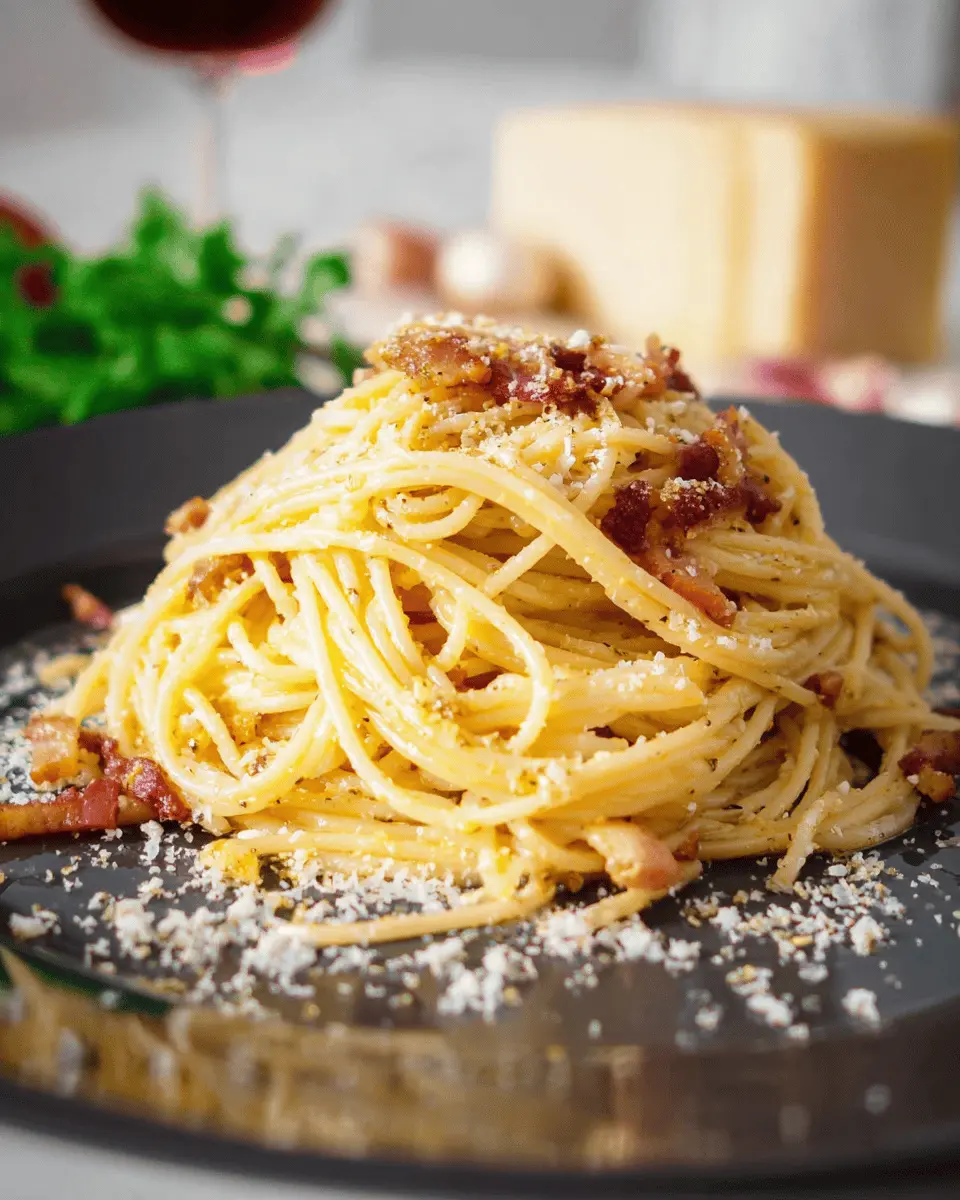
Ingredients for Spaghetti Carbonara
Essential ingredients for a delicious carbonara
To create an authentic spaghetti carbonara, you'll need the following key ingredients:
- 320 g spaghetti: The foundation of your dish; choose high-quality pasta for the best results.
- 250 g pancetta: This Italian cured meat adds rich flavor. If you want an even more authentic touch, consider using guanciale, but pancetta works just fine!
For the egg mixture:
- 2 whole eggs and 3 egg yolks: These will give your sauce a creamy texture.
- 35 g pecorino and parmesan cheese: A combination of these hard cheeses adds depth and complexity to the sauce.
- Salt and pepper: Essential for seasoning.
- 3 tablespoons pasta cooking water: This will help emulsify the sauce, creating that desired creaminess.
Alternatives to traditional ingredients
Sure, authenticity is crucial, but don't worry if you can't find every ingredient! For instance, if pancetta is hard to source, turkey bacon can be a lighter option. If you prefer a different cheese, using only parmesan can still yield a delicious result. Additionally, if you're watching your cholesterol, consider egg substitutes that still keep the essence of spaghetti carbonara intact.
For more tips on ingredient substitutions, check out Serious Eats for expert advice!
Preparing Spaghetti Carbonara
Making spaghetti carbonara is a quick and delightful experience, perfect for impressing friends or simply treating yourself after a long day. Let’s dive into the essential steps to create this creamy Italian comfort dish.
Boil the pasta
Start by bringing a large pot of salted water to a rolling boil. The right amount of salt is critical—it should taste like the sea! Add in your spaghetti (about 320 grams for four portions), and cook according to the package instructions for a perfect al dente texture, usually about 10-11 minutes. Just remember to save a cup of pasta water before draining your spaghetti; this starchy liquid will be invaluable later!
Cook the pancetta (or substitutes)
While your pasta is cooking, it's time to focus on the pancetta. If you can't find pancetta, feel free to use guanciale or even beef bacon as a substitute. Cut about 250 grams of your chosen meat into small cubes or strips. Heat a skillet over medium-high heat, and add the diced pancetta. Sauté until it achieves a lovely golden-brown color and is crispy—about 5 to 7 minutes. This will infuse your dish with flavor! Once done, transfer the crispy pancetta to a bowl but keep the rendered fat in the pan; it’s liquid gold!
Prepare the egg and cheese mixture
In a separate bowl, whisk together 2 whole eggs and 3 egg yolks. Add about 35 grams each of pecorino and parmesan cheese and a generous amount of freshly cracked black pepper. For creaminess that coats your spaghetti well, add a few tablespoons of the reserved pasta water to thin the mixture. The goal here is a smooth, velvety blend that will become the heart of your spaghetti carbonara sauce.
Combine pasta and pancetta
Once your spaghetti is cooked and drained (remember, no rinsing!), it’s time to put everything together. Add the hot pasta directly into the skillet with the pancetta. This step is crucial, as the residual heat from the pasta will help in forming that iconic creamy sauce. Mix it well to ensure the pasta is coated with the flavorful pancetta fat.
Create the creamy sauce
Now for the magic! Take your egg and cheese mixture and pour it over the hot pasta while quickly tossing everything together. The heat will gently cook the eggs, creating a rich sauce without scrambling them—this is where the reserved pasta water comes into play. If you find the sauce too thick, gradually add in more pasta water until you reach your desired creaminess. Sprinkle a little more pecorino on top, and voila! Your authentic spaghetti carbonara is ready to be served.
Enjoy your luxurious dish, and remember that simple ingredients can create something truly spectacular! Have you tried making carbonara before? What are your tips for perfecting it?
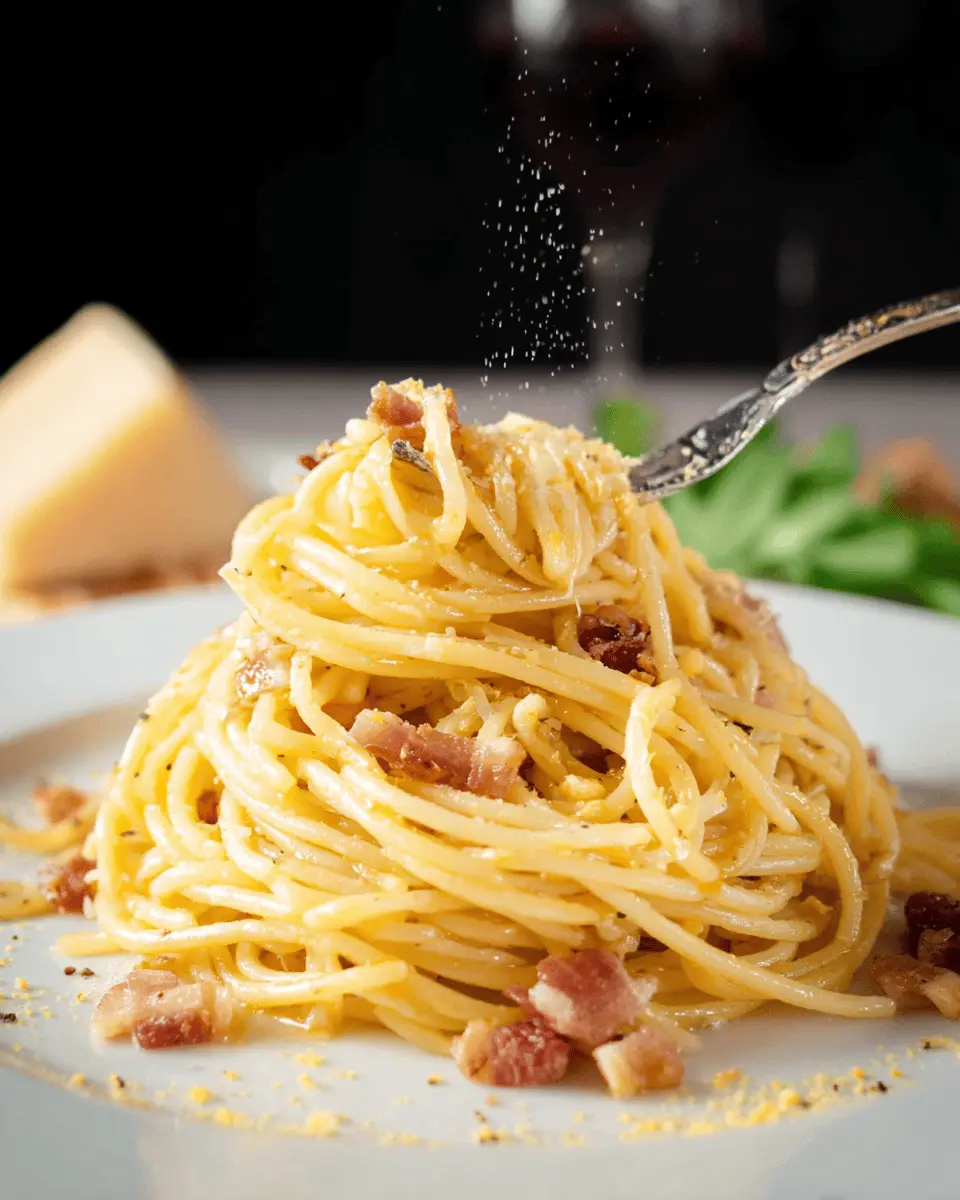
Variations on Spaghetti Carbonara
Vegetarians can enjoy a twist
If you're looking to adapt the classic spaghetti carbonara for a vegetarian palate, consider using smoked tempeh or mushrooms as a substitute for the pancetta. These options provide a fantastic depth of flavor while remaining meat-free. You can also incorporate a touch of liquid smoke to mimic that delicious, savory taste.
Add seasonal vegetables for freshness
Enhancing your spaghetti carbonara with seasonal vegetables can elevate this dish to new heights. Think peas in spring, zucchini in summer, or roasted pumpkin in fall. Sauté the veggies alongside your base ingredients to bring freshness and color to your plate, making it not only more nutritious but also visually appealing. You can find out how to pair specific veggies in this seasonal produce guide for more inspiration!
Cooking tips and notes for Spaghetti Carbonara
Avoiding common mistakes
When preparing spaghetti carbonara, avoid the temptation to add cream; a true carbonara is all about the rich flavors of cheese and eggs. Make sure to cook the pancetta until it’s crispy, as this adds depth to the dish. Remember to reserve some pasta water—you'll need it to make the sauce slide smoothly over the noodles. Don't let the eggs cook too quickly; add them to the pasta off heat to prevent scrambling.
Tips for achieving the perfect creamy consistency
To achieve that iconic, creamy texture in your spaghetti carbonara, whisk the egg mixture thoroughly before combining it with the pasta. Adding a bit of reserved pasta water gradually helps loosen the sauce, creating that sublime creaminess without clumping. If the sauce seems too thick, just a splash of water can help. This technique is essential, so don’t be shy about mixing well!
For further insights on Italian cooking techniques, check out Serious Eats for expert tips on pasta.
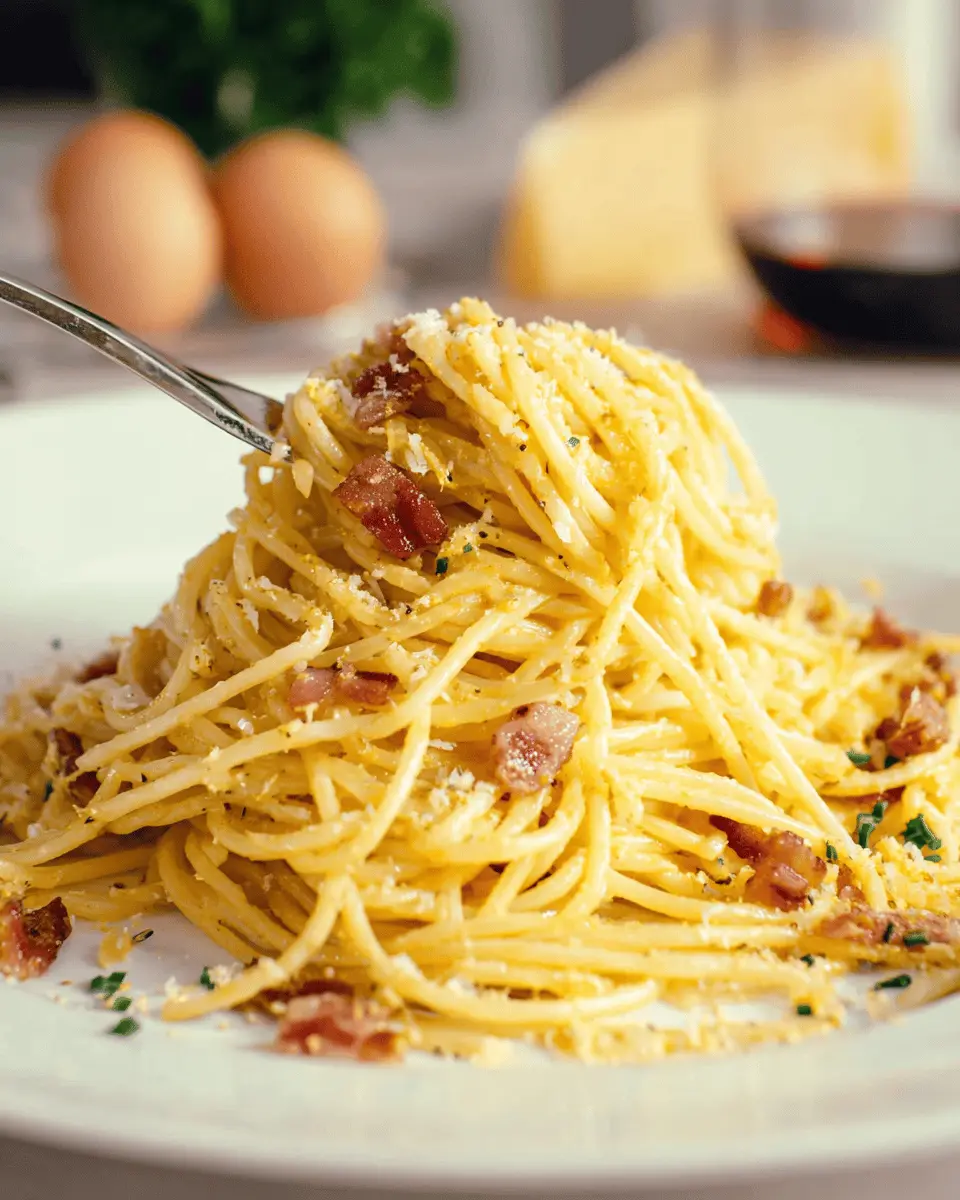
Serving suggestions for Spaghetti Carbonara
Pairing with a fresh salad
A vibrant salad is the ideal companion for your spaghetti carbonara. Consider a simple arugula salad dressed with olive oil, lemon juice, and a sprinkle of Parmesan. This light dish will not only refresh your palate but also complement the rich, creamy pasta beautifully. Alternatively, a mixed green salad with cherry tomatoes, cucumbers, and a tangy balsamic vinaigrette adds a delightful crunch and contrast to the meal.
Best side dishes to complement carbonara
When it comes to side dishes, think about serving crusty garlic bread or a side of roasted vegetables seasoned with olive oil and herbs. These choices elevate your dining experience by adding textures and flavors that enhance the spaghetti carbonara. Another great option is a traditional Italian antipasto platter filled with cured meats, cheeses, and olives, which provides an inviting start to your meal. Each of these suggestions will round out your dinner beautifully. For more ideas, you can check out Food & Wine for complementary recipes.
Time breakdown for Spaghetti Carbonara
Preparation time
In just 10 minutes, you can prepare the ingredients for your spaghetti carbonara. Cutting the pancetta and mixing your egg and cheese blend is quick and straightforward.
Cooking time
The cooking takes only 11 minutes. Boiling the spaghetti while crisping up the pancetta requires minimal attention, making this dish perfect for a busy weeknight.
Total time
In a total of 21 minutes, you’ll have a delicious plate of spaghetti carbonara ready to impress. It’s fast, flavorful, and authentic—perfect for both a cozy dinner at home or entertaining guests.
This speedy recipe is an excellent choice for young professionals looking for a gourmet experience without spending hours in the kitchen. Try it out and see how quickly you can whip up this Italian classic!
Nutritional Facts for Spaghetti Carbonara
Calories per serving
Each serving of authentic spaghetti carbonara comes in at approximately 701 calories. This makes it a hearty choice for a satisfying meal without compromising on flavor.
Breakdown of macronutrients
- Carbohydrates: 62g
- Protein: 29g
- Fat: 36g (of which saturated fat is 13g)
This classic Italian dish delivers a balanced mix of nutrients, making it a well-rounded option for those seeking delicious comfort food. For more information on nutritional balance, you can check out Healthline.
Consider adjusting portion sizes or accompanying sides to modify caloric intake if you're watching your diet. Enjoy every bite!
FAQs about Spaghetti Carbonara
What if I can't find pancetta?
If you can’t find pancetta, don’t worry! You can easily substitute it with guanciale, which is actually the traditional choice for this dish. If both are unavailable, lardons will do in a pinch, and some even use Turkey Bacon for a lighter option. Just keep in mind that this might alter the authentic flavor a bit.
Can I use other types of cheese?
Absolutely! While the classic recipe calls for a mix of pecorino and parmesan, you can experiment with other hard cheeses like Grana Padano or even Asiago. Each will give a unique twist to your spaghetti carbonara. Just ensure whatever cheese you choose melts well and complements the dish.
How can I store leftovers?
To maximize freshness, store your spaghetti carbonara in an airtight container in the fridge. It should last for 2-3 days. When reheating, consider adding a splash of pasta cooking water to restore creaminess. For more tips, check out this storage guide. Enjoy!
Conclusion on Spaghetti Carbonara
When it comes to spaghetti carbonara, the simplicity and richness of this dish make it an instant classic. I encourage you to whip up this authentic recipe and enjoy a delightful meal in just 20 minutes. Trust me, your taste buds will thank you for this indulgent experience!
Final Thoughts and Encouragement to Try the Recipe
Diving into the world of spaghetti carbonara not only satisfies your hunger but also brings a little piece of Italy to your kitchen. Don't hesitate to give this recipe a try; it’s the perfect way to impress your friends or elevate a quiet night in. Enjoy the deliciousness!
For more tips and variations, check out sources like BBC Good Food or Serious Eats for inspiration.
Spaghetti carbonara (la recette italienne authentique)
Equipment
- poêle
- bol
Ingredients
- 320 g spaghetti
- 250 g pancetta ou guanciale ou lardons
- 2 entiers œufs j'utilise des oeufs de taille moyenne
- 3 jaunes jaunes d'œufs
- 35 g pecorino
- 35 g parmesan
- poivre
- sel
- 3 c. à s. eau de cuisson des pâtes
Instructions
- Faire bouillir l'eau salée pour cuire les spaghetti.
- Couper la pancetta en dés ou en lanières, comme tu préfères.
- Cuire la pancetta dans une poêle à feu moyen-vif jusqu’à ce qu’elle soit bien dorée. Une fois prête, réserve-la.
- Dans un bol, fouetter les œufs entiers, les jaunes, le pecorino, le parmesan et une bonne dose de poivre jusqu’à obtenir une consistance bien lisse.
- Ajouter les spaghettis à l’eau bouillante et les cuire selon les instructions du paquet. Pour un résultat al dente, je les laisse cuire environ 11 minutes, mais ajuste selon ta préférence.
- Réserver un peu d’eau de cuisson des pâtes à mi-cuisson et laisse-les refroidir légèrement. Une fois tiède, ajoute l’eau au mélange d'œufs pour le détendre.
- Égoutter les spaghettis et les remettre dans la poêle.
- Ajouter la pancetta aux pâtes égouttées et verser le mélange d'œufs.
- Faire chauffer à feu doux pendant 4-5 secondes, tout en remuant bien les pâtes. Cela va épaissir la sauce en une texture crémeuse. Veille à bien mélanger pour éviter les grumeaux ou les œufs brouillés. Si des grumeaux apparaissent, c’est que la chaleur était trop forte ou que tu n’as pas assez remué.
- Saupoudrer d'un peu de parmesan ou pecorino supplémentaire. Servir immédiatement.


Leave a Reply