
Introduction to Gyoza
The Allure of Homemade Gyoza
There's something truly special about making gyoza from scratch. These delightful Japanese dumplings are not just tasty; they encapsulate the love and effort put into each fold. The process becomes a mini celebration—whether you're prepping with friends or enjoying some alone time in the kitchen. Plus, combining fresh ingredients like green cabbage and shiitake mushrooms makes these dumplings a healthier option compared to store-bought varieties. If you’re interested in exploring the art of gyoza, consider checking out resources like Just One Cookbook for inspiration.
Why Gyoza is a Game-Changer for Young Professionals
For young professionals juggling busy work schedules, gyoza is a meal prep dream. Not only are they quick to assemble, but they also freeze beautifully. This means you can whip up a batch on the weekend and enjoy them throughout the week. Imagine having a delicious, homemade dinner option waiting for you after a long day—just a few minutes in the skillet, and you can savor piping hot, crispy gyoza.
With their versatility, you can customize the filling to suit your taste or dietary preferences. Want to go vegetarian? Swap beef for tofu. Craving something spicy? Add some chili flakes to the filling. These small adjustments can elevate your homemade gyoza experience, making it truly your own.
Ultimately, crafting your gyoza allows you to create not just a meal, but an experience—one that brings a bit of joy to your busy life.
Ingredients for Gyoza
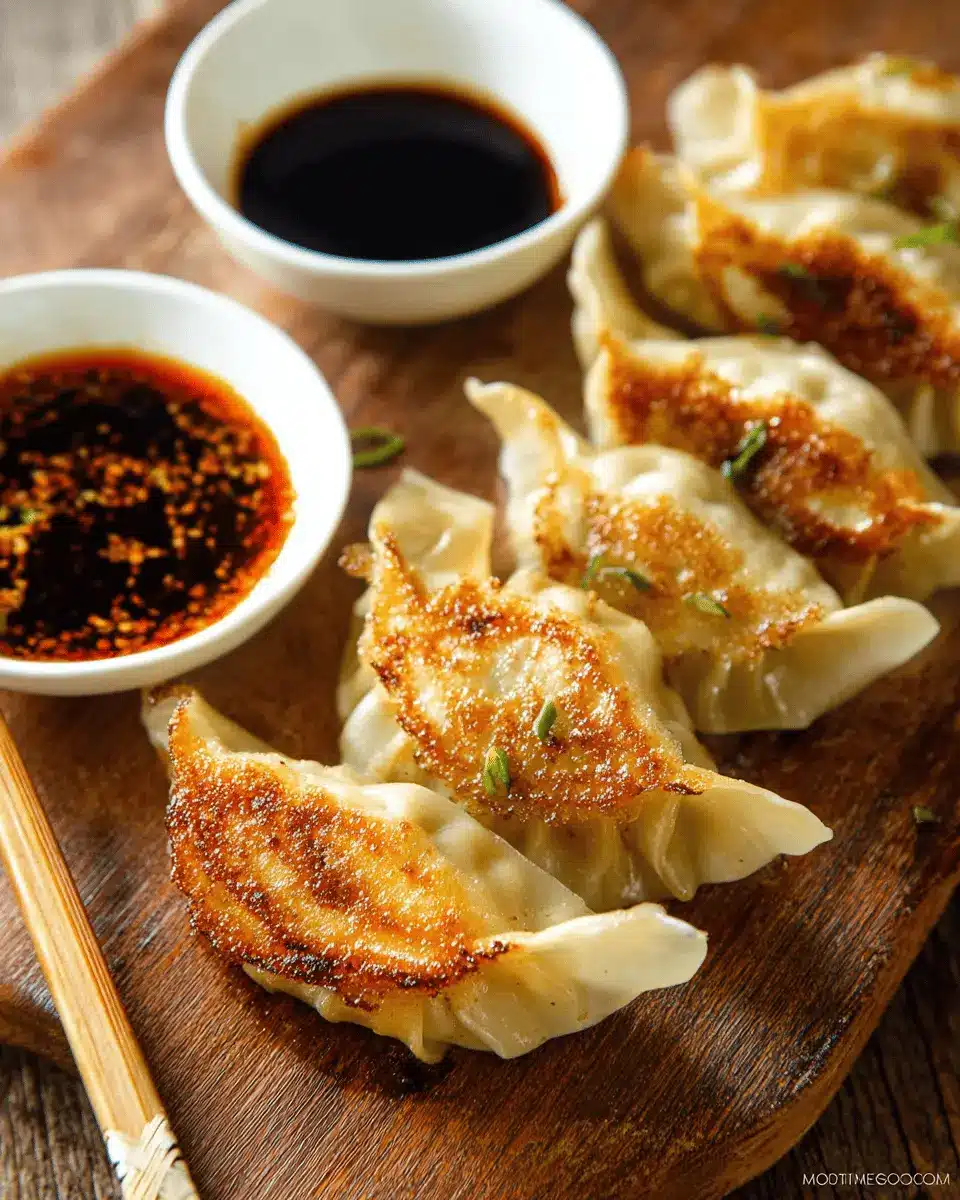
Making delicious gyoza is all about selecting the right ingredients. Here's a breakdown of what you'll need to create those savory little dumplings!
Filling Ingredients
For the filling, you'll want fresh and vibrant components to achieve that perfect balance of flavor and texture. The main ingredients include:
- Green cabbage: This serves as a crisp base and brings a slightly sweet note.
- Ground beef: A fantastic alternative to traditional pork, providing rich flavor.
- Green onions and shiitake mushrooms: These ingredients add a delightful umami punch.
- Garlic and ginger: Essential aromatics that brighten up the filling.
Seasonings Needed
The right seasonings elevate your gyoza to another level. You'll need:
- Toasted sesame oil: Adds depth and nuttiness.
- Soy sauce: For a touch of salinity.
- Sake (optional): If you want to reduce any gamey flavor.
- Freshly ground black pepper: Just a pinch for some heat.
Gyoza Wrappers: Store-Bought vs. Homemade
You can choose between store-bought wrappers or make your own for a truly authentic experience. Store-bought wrappers are convenient and readily available, but homemade wrappers offer a special touch that can impress. Making them from scratch is simple with flour and water and can be a fun activity if you're feeling adventurous! If you want to learn how to make your own, check out this recipe.
By using quality ingredients, you'll ensure your gyoza are not just good but truly delicious! Happy cooking!
Preparing Gyoza
Making gyoza, those delightful Japanese potstickers, can be a fun and rewarding experience. Here’s a friendly guide to help you navigate the process smoothly.
Prepare the filling
To start, gather your filling ingredients. You’ll need fresh and vibrant green cabbage, which adds a lovely crunch. Begin by cutting up ¾ lb of green cabbage into thin strips, then chop them into even smaller pieces. This ensures a well-mixed filling. Don’t forget to massage the salt into the cabbage with your hands to draw out moisture, allowing the cabbage to soften beautifully while you work on the other ingredients.
Wilting the cabbage
Once you've salted the cabbage, set it aside and let it wilt. If you’re in a hurry—or if you'd like an alternative—blanching or microwaving the cabbage for a minute or two can speed things up. This step is crucial for achieving that perfect texture in your gyoza filling.
Mixing the filling ingredients
In a large bowl, combine your wilted cabbage with ground beef, finely chopped green onions, and minced shiitake mushrooms for depth of flavor. Also, add grated ginger and garlic for an aromatic kick. Don’t forget the seasonings: sprinkle in sake, toasted sesame oil, soy sauce, and black pepper. Knead the mixture with your hand until it’s sticky. This ensures that all the flavors meld together perfectly. You want your filling to be both flavorful and cohesive!
Folding the gyoza
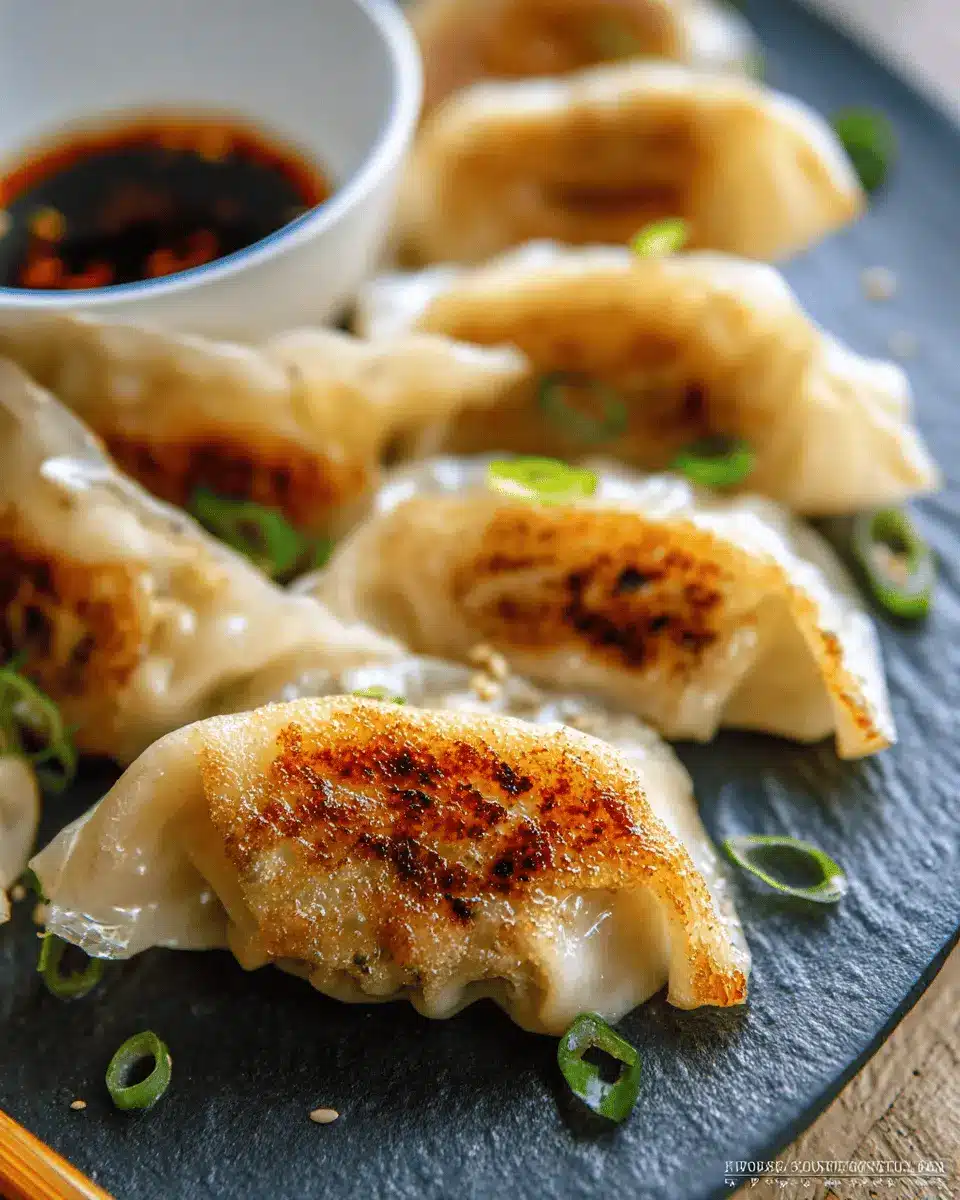
Now comes the fun part: folding your gyoza! Wet the edges of a gyoza wrapper with a little water; this will help seal them later. Place about a tablespoon of filling in the center. This step requires a bit of finesse, but don’t worry if you don’t get it perfect the first time! Fold the wrapper in half, pressing gently to form a pocket. You can also add pleats for that classic gyoza look. This not only makes them aesthetically pleasing but helps keep the filling secure.
Freezing and storing
If you want to save some gyoza for later, freezing is an excellent option! Lay out uncooked gyoza on a sheet pan in a single layer, ensuring they don’t touch. Cover them with plastic wrap or place them in a resealable bag once frozen. They can last in the freezer for up to a month. When you’re ready to cook them, you can toss them directly into the frying pan, just add a couple more minutes of steaming time.
Preparing gyoza might seem daunting at first, but with practice, you’ll find yourself whipping them up in no time. Plus, you can experiment with different fillings, like chicken or even vegetarian options! Happy cooking, and enjoy your homemade gyoza experience!
Variations on Gyoza
Vegetarian Gyoza Options
For those craving a meat-free delight, consider filling your gyoza with vibrant veggies. Try a mixture of shiitake mushrooms, carrots, and zucchini seasoned with soy sauce and sesame oil. You can also add tofu for extra protein and texture.
Spicy Gyoza Alternatives
Looking to kick things up a notch? Add chopped fresh chili peppers or a dash of sriracha to your filling for a spicy twist. Serve with a spicy dipping sauce made by mixing soy sauce with la-yu (Japanese chili oil) for that extra flair.
Different Fillings: Chicken, Beef, or Tofu
Gyoza are incredibly versatile! Swap the ground pork for ground chicken or beef for a different flavor profile. You can even opt for tofu for a hearty vegetarian option. Each variation offers a unique taste while maintaining that irresistible gyoza crunch!
Curious to explore more variations? Check out additional gyoza recipes at Serious Eats. It’s all about discovery in the kitchen!
Cooking Tips for Gyoza
Tips for Cooking Gyoza to Perfection
To ensure your gyoza are cooked to perfection, remember to cook them in a single layer, allowing adequate space between each piece. This promotes even cooking and prevents sticking. Starting with a hot pan and a good quality oil will help achieve that golden crust we all crave.
How to Achieve the Ideal Crispiness
For the ultimate crispy bottom, try the “steam-fry” technique! Start by pan-frying the gyoza until brown, then add water, cover, and steam until cooked. Remove the lid to allow any residual moisture to evaporate before finishing with a drizzle of oil for that satisfying crunch.
Alternatives to Pan-Frying
If you prefer a lighter option, consider steaming or even baking your gyoza. Steaming retains more moisture, giving you a tender dumpling, while baking allows for a healthier option without sacrificing flavor. For a twist, air-fry them to achieve a crispy texture with less oil—perfect for those weeknight cravings!
By incorporating these tips, your gyoza will impress at every gathering!
Serving suggestions for Gyoza
Dipping sauces to pair with gyoza
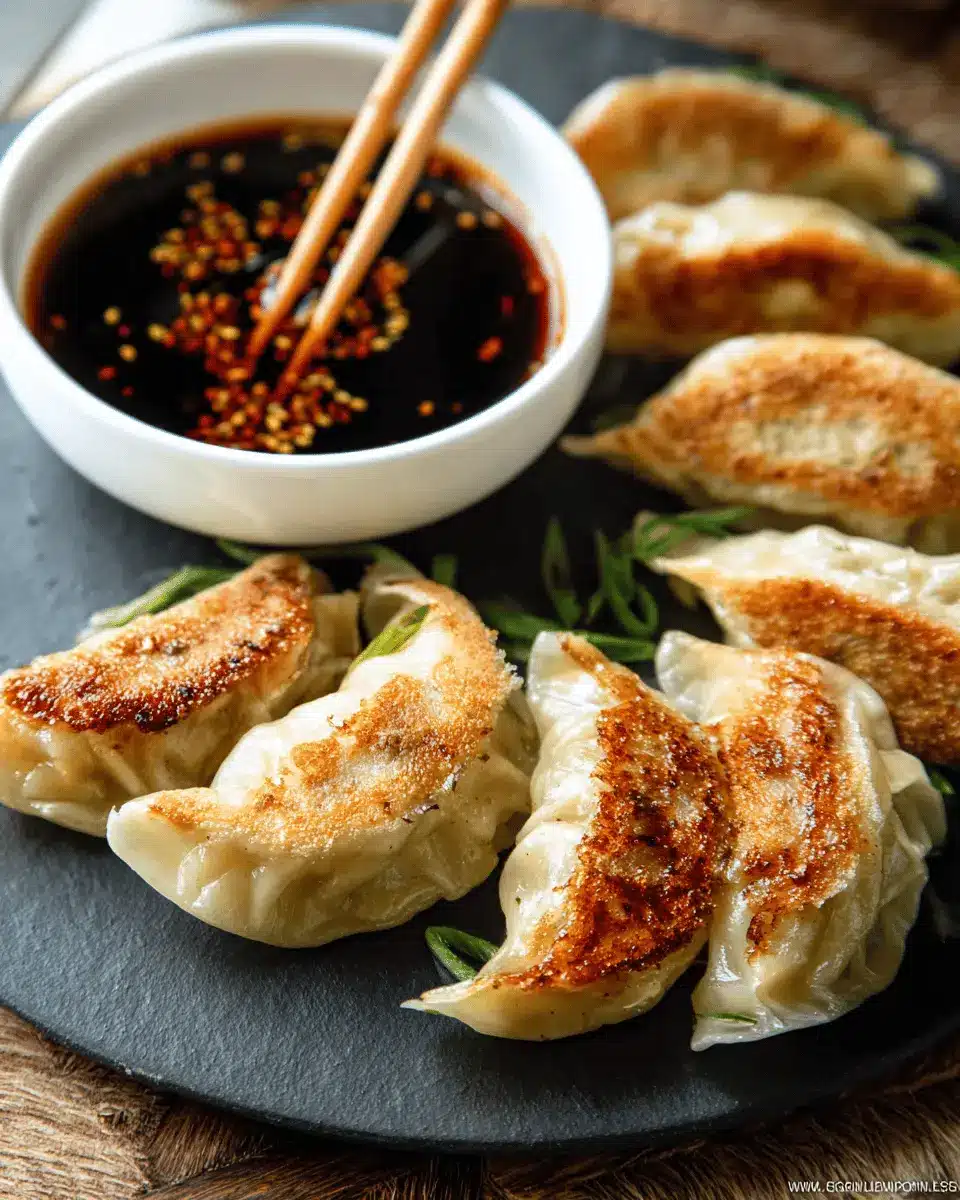
A simple yet delightful dipping sauce can elevate your gyoza experience. Try mixing:
- Soy sauce and rice vinegar for a classic taste.
- Add a dash of la-yu (Japanese chili oil) for some heat.
- Mix in sesame oil for a nutty flavor.
Experimenting with these combinations can turn your meal into an exciting flavor adventure!
Side dishes that complement gyoza well
Pair your gyoza with light and refreshing side dishes such as:
- Miso soup for a comforting touch.
- A simple cucumber salad drizzled with rice vinegar.
- Steamed or sautéed bok choy for a healthy crunch.
These sides balance the richness of the gyoza, creating a well-rounded meal.
Presentation ideas for hosting
When hosting a casual get-together, presentation can make a big difference. Consider:
- Arranging gyoza on a beautiful platter and garnishing with chopped scallions or sesame seeds.
- Serving individual dipping bowls to enhance the dining experience.
- Creating a casual buffet-style setup where guests can taste various filling options.
These thoughtful touches invite conversation and connection around delicious food.
Time Breakdown for Gyoza
Preparation Time
The preparation of these delicious gyoza takes approximately 1 hour. This includes gathering your ingredients, making the filling, and folding the dumplings.
Cooking Time
Once the gyoza are ready to go, cooking them takes about 20 minutes. You’ll get that perfect crispy bottom and juicy filling in no time!
Total Time
In total, you’re looking at around 1 hour and 20 minutes from start to finish for these delightful Japanese potstickers. Perfect for a cozy evening or gathering with friends!
Are you suitable to take the plunge and wrap your own gyoza? You’ll impress everyone with your skills! For more inspiration, check out this resource on Japanese cuisine to dive deeper into the world of delicious flavors.
Nutritional Facts for Gyoza
Calories per gyoza
A single gyoza contains about 32 calories, making it a versatile option for those watching their calorie intake while still enjoying delicious flavors. This means you can savor a few without the guilt!
Key nutrients
These delightful dumplings pack a nutritional punch with essential nutrients, including:
- Protein: 1g
- Carbohydrates: 4g
- Fat: 1g
- Sodium: 42mg
- Fiber: 0.2g
Including ingredients like green cabbage, shiitake mushrooms, and ground beef adds vitamins and minerals, enhancing the overall health benefits.
Nutritional benefits of homemade gyoza
Crafting your own gyoza allows you full control over the ingredients, meaning you can opt for fresh, quality items without preservatives. Homemade versions often have lower sodium levels compared to store-bought options, making them a healthier choice. Plus, you can tailor your filling to meet dietary needs or preferences, whether you're vegetarian or looking to increase protein by using leaner meats.
For further insights into the nutritional advantages of homemade dumplings, check out sources like Healthline and NutritionData.
FAQs about Gyoza
What is the history behind gyoza?
Gyoza has a fascinating history that traces back to Chinese dumplings, known as jiaozi, believed to have been introduced to Japan in the early 20th century. The Japanese adapted the recipe, incorporating local flavors and ingredients. Today, gyoza is celebrated not just as a delicious dish, but also as a cultural staple in Japan, often enjoyed during family gatherings and festivals.
Can gyoza be made ahead of time?
Absolutely! Gyoza can be prepared in advance, making them an ideal choice for meal prep. After folding the gyoza, you can freeze them for later use. Simply place the uncooked gyoza on a baking sheet, freeze until solid, and then store them in an airtight bag for up to a month.
How do I reheat leftover gyoza?
To reheat leftover gyoza, a simple pan-fry is your best bet. Heat a skillet over medium heat, add a splash of oil, and cook the gyoza until they’re warmed through and golden on the bottom. Alternatively, you can steam them for a soft texture or pop them in the microwave with a damp paper towel for quick reheating. For additional tips, check out Just One Cookbook’s guide on gyoza.
Conclusion on Gyoza
Recap the joy of making gyoza at home
Making gyoza from scratch brings joy not just from savoring these delightful dumplings but also from the entire experience! The folding, frying, and dipping process creates a sense of accomplishment, engaging your hands and taste buds alike.
Encourage readers to try making gyoza
So why not roll up your sleeves and give gyoza a try? It’s a fun cooking project that’ll impress your friends and family. Whether for a casual dinner or a special occasion, homemade gyoza can elevate any meal. Dive into this culinary adventure today!
Gyoza (Japanese Potstickers)
Equipment
- frying pan
- Mixing Bowl
- cookie scoop
- Pastry Brush
Ingredients
For the Filling
- 0.75 lb green cabbage (¼ large head)
- 1 teaspoon Diamond Crystal kosher salt (for salting the cabbage)
- 2 green onions/scallions
- 2 shiitake mushrooms
- 2 cloves garlic
- 1 teaspoon ginger (grated, with juice; from a 1-inch, 2.5-cm knob)
- 0.5 lb ground pork
For the Seasonings
- 2 teaspoon sake (to remove the pork‘s gamey taste; optional)
- 2 teaspoon toasted sesame oil
- 2 teaspoon soy sauce
- 0.125 teaspoon freshly ground black pepper
For Folding the Gyoza
- 1 package gyoza wrappers (52 sheets per 10-oz/284-g package; or make homemade)
- water (to fold and seal the wrappers)
For Frying Each Batch
- 1 tablespoon neutral oil
- 4 tablespoon water
- 1 teaspoon toasted sesame oil
For the Dipping Sauce
- 1 tablespoon rice vinegar (unseasoned) (per serving)
- 1 tablespoon soy sauce (per serving)
- 0.125 teaspoon la-yu (Japanese chili oil) (per serving; optional)
Instructions
Preparation
- Gather all the ingredients.
To Make the Filling
- Discard the thick core of green cabbage and cut it into thin strips about ⅓-inch (1 cm) wide.
- Finely chop the strips crosswise into very small pieces, especially the thick white parts of the leaves.
- Sprinkle the minced cabbage with kosher salt and massage together with your hands. Set aside until wilted.
- Mince green onions into small pieces.
- Remove the stems from shiitake mushrooms and mince the caps into small pieces.
- Grate ginger and add to a small plate with minced or pressed garlic.
- Combine the green onions, shiitake mushrooms, and ground pork in a large bowl. Add seasonings and mix well.
- Knead the mixture until it becomes sticky and pale in color.
- Squeeze the water out from the salted cabbage and add to the meat mixture.
- Knead again to evenly distribute the cabbage into the meat.
To Fold the Gyoza
- Prepare a small bowl of water and a baking sheet lined with parchment paper.
- Place a wrapper in your palm, fill it with a scant amount of filling, and flatten.
- Moisten the edges of the wrapper with water, fold in half and pinch the top center.
- Start folding pleats toward the center on the right side.
- Press down the pleats to seal any gap and then fold the left side.
- Shape the gyoza to create a flat side on the bottom and place on the baking sheet.
To Cook the Fresh Gyoza
- Heat a large nonstick or carbon steel frying pan over medium heat; add neutral oil.
- Place the gyoza in the pan, flat side down, and cook until golden brown, about 3 minutes.
- Add water to the pan and cover with a lid to steam for about 3 minutes.
- Remove the lid to evaporate any remaining water, then drizzle toasted sesame oil around the gyoza.
- Cook until browned and crisp on the bottom, then remove to a plate.
To Serve
- Transfer to a serving plate and serve with individual bowls of dipping sauce on the side.

Leave a Reply