
Introduction to German Buttercream
What is German Buttercream and why it's a game-changer?
German Buttercream is a delightful take on the classic frosting that elevates any dessert with its rich, velvety texture. Unlike traditional buttercream, which often relies solely on butter and sugar, German Buttercream uses a silky pastry cream as its base. This unique twist not only enhances the flavor but also creates a frosting that is incredibly smooth and easy to spread or pipe.
Imagine the initial bite of a slice of cake: the inviting sweetness of the frosting perfectly complements the cake's flavors, creating a balanced experience. This is precisely why German Buttercream is a game-changer—it brings a level of sophistication and depth that standard buttercream just can't match.
One of the fantastic aspects of this frosting is its versatility. It pairs beautifully with a variety of cakes and cupcakes, making it suitable for everything from elegant weddings to casual birthday celebrations. Plus, if you are eager to dive deeper into the world of buttercream, you can explore more on the art of making pastry cream and its applications in desserts at sources like Serious Eats.
As you embark on your journey to create this luscious frosting, you’ll discover just how easy it is to impress your friends and family with your baking skills. Trust us; once you try German Buttercream, you’ll never look back!
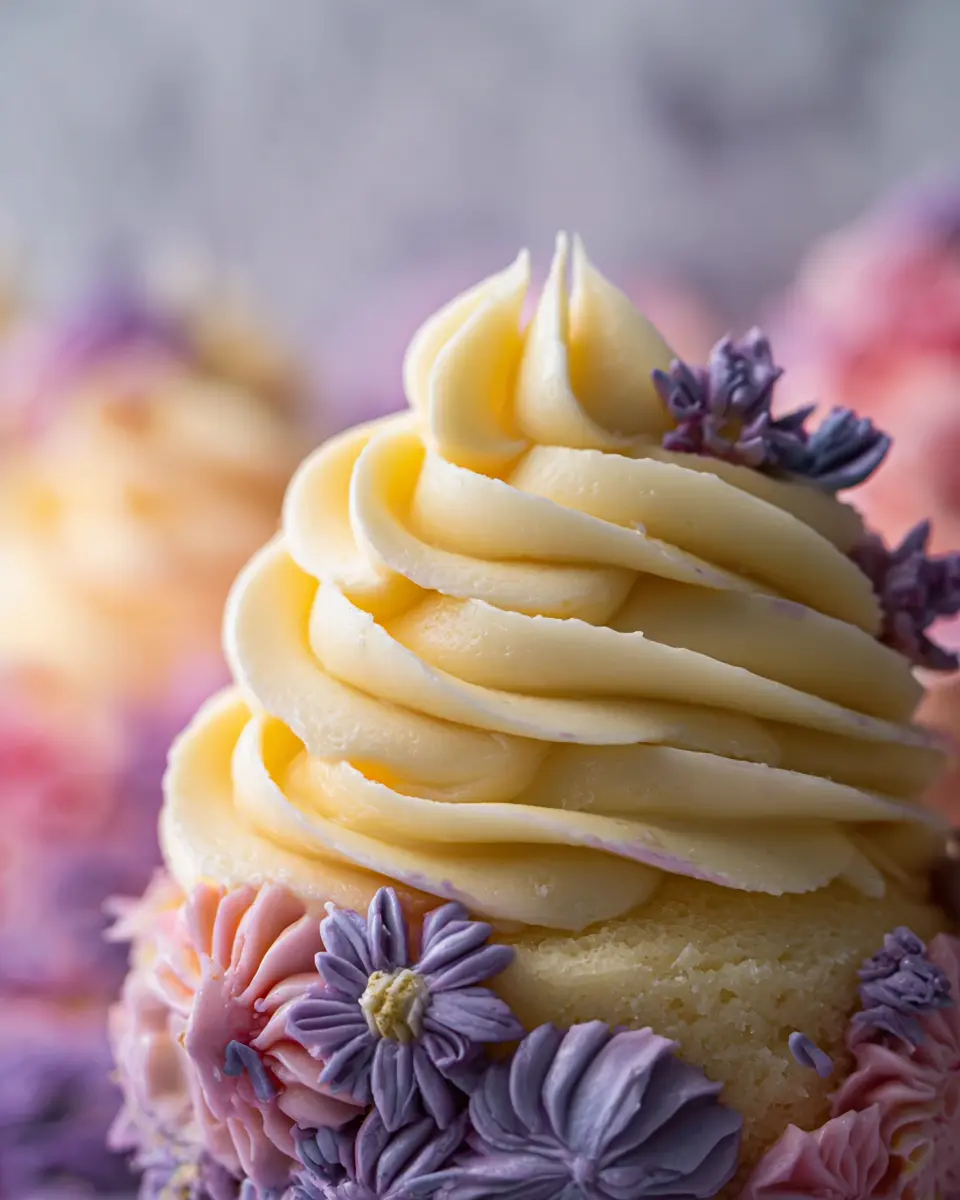
Ingredients for German Buttercream
Essential Ingredients for Pastry Cream
To create the creamy base for your German Buttercream, you will need a few pantry staples that bring depth and richness to the dish:
- Whole milk: 1 cup (236 ml) helps to create a smooth texture.
- Heavy cream: 1 cup (236 ml) adds a luxurious richness.
- Egg yolks: 5 large yolks will provide a velvety consistency.
- Granulated sugar: ⅔ cup (133 g) for sweetness.
- Cornstarch: 3 tablespoons to thicken the mixture.
- Unsalted butter: 4 tablespoons, cut into pieces for creaminess.
- Vanilla extract: 1 ½ teaspoons to enhance flavor.
By combining these ingredients, you’ll end up with a luscious pastry cream that forms the foundation of your German Buttercream.
Key Ingredients for the Frosting
Once your pastry cream has cooled, it’s time to elevate it to frosting with a couple of key ingredients:
- Unsalted butter: 1 cup (226 g), softened to perfection but not too melty. This will be the star ingredient in your frosting.
- Powdered sugar: ½ cup (63 g), optional, for those who prefer a little extra sweetness and a fluffier texture.
With these components, you'll transform your pastry cream into an airy, delectable frosting perfect for cakes and cupcakes. Don’t forget to check out more tips on butter substitutes and vanilla extract for a personalized twist!
Step-by-step Preparation of German Buttercream
Whether you're planning to bake a special cake for a celebration or simply want to elevate your dessert game, mastering German Buttercream is a fantastic way to create a rich, creamy frosting. This buttercream, made fluffy from a base of pastry cream, is sure to impress! Let's dive into the step-by-step process to create this deliciously unique frosting.
Making the Pastry Cream
The foundation of German Buttercream is a smooth and luscious pastry cream. Here's how you can make it:
-
Combine Your Wet Ingredients: In a medium-sized mixing bowl, whisk together 1 cup of whole milk, 1 cup of heavy cream, and 5 large egg yolks until they’re well blended. This mixture will add a creamy richness to your buttercream.
-
Mix Dry Ingredients: In a separate medium saucepan, whisk together ⅔ cup of granulated sugar, 3 tablespoons of cornstarch, and ¼ teaspoon of table salt. This mix will help thicken your cream.
-
Combine Mixtures: Gradually drizzle your cream mixture into the saucepan with the dry ingredients while whisking continuously. This will help prevent lumps and ensure everything is well combined.
-
Cook the Mixture: Place the saucepan over medium heat, stirring constantly until the mixture thickens to a pudding-like consistency. It should coat the back of a spoon nicely before you remove it from heat.
-
Strain and Flavor: Pour the mixture through a fine-mesh strainer into a heatproof bowl to catch any lumps or clumps. Stir in 4 tablespoons of unsalted butter, adding one tablespoon at a time to ensure smooth incorporation. Finally, mix in 1 ½ teaspoons of vanilla extract for that delightful flavor.
Cooling the Pastry Cream
Now that your pastry cream is ready, the next step is cooling it down properly.
-
Cover and Chill: Place a piece of plastic wrap or parchment paper directly against the surface of the pastry cream to prevent a skin from forming. Transfer it to the refrigerator and let it chill completely – this usually takes about 2 hours.
-
Bring to Room Temperature: Before mixing it into the butter, let the pastry cream and your softened butter come to nearly room temperature. This is crucial; having both ingredients at the same temperature prevents the frosting from splitting. A common challenge in frosting preparation is not allowing the butter and pastry cream to harmonize in temperature.
Preparing the Butter
While your pastry cream cools, it's the perfect time to prepare your butter.
-
Soften the Butter: You’ll need 1 cup of unsalted butter. Make sure it's soft but not melted — it should have a nice spreadable consistency. If your butter is too hard, you might end up with a gloppy frosting.
-
Beat the Butter: In the bowl of a stand mixer (or using a large bowl with an electric mixer), use a whisk attachment to beat the softened butter on high speed for about 3-5 minutes. You want it to become fluffy and light in color, which usually results in a pale yellow hue.
Mixing the Butter with Pastry Cream
This step is all about creating that wonderfully creamy texture typical of German Buttercream.
-
Combine Gently: With the mixer on medium speed, gradually add your pastry cream, one spoonful (about 1-2 tablespoons) at a time. Be patient and allow each addition to fully incorporate before adding the next. This slow method ensures the buttercream doesn’t curdle.
-
Fluff It Up: Once all the pastry cream is mixed in, slowly increase the speed to medium-high and beat the frosting for another few minutes until you achieve that light, airy texture. It’s truly amazing how fluffy it becomes!
Tweaking the Frosting for Flavor
Now that you’ve got the base of your German Buttercream, this is the fun part — playing with flavors!
-
Taste Test: Before you finalize your buttercream, taste it. You might find it’s perfect as is, but if you’d like it to be sweeter or to add a flavor twist, now’s your chance.
-
Add Optional Sugar: If you prefer a sweeter frosting, consider stirring in ½ cup of powdered sugar to the mix.
-
Incorporate Other Flavors: Consider adding a splash of almond extract, citrus zest, or even melted chocolate to customize the flavor to your liking!
Getting every step just right takes practice, but with a little patience and creativity, you're sure to master this delicious treat. Enjoy spreading or piping your German Buttercream on cakes, cupcakes, or any dessert that needs a touch of creamy goodness. Happy baking!
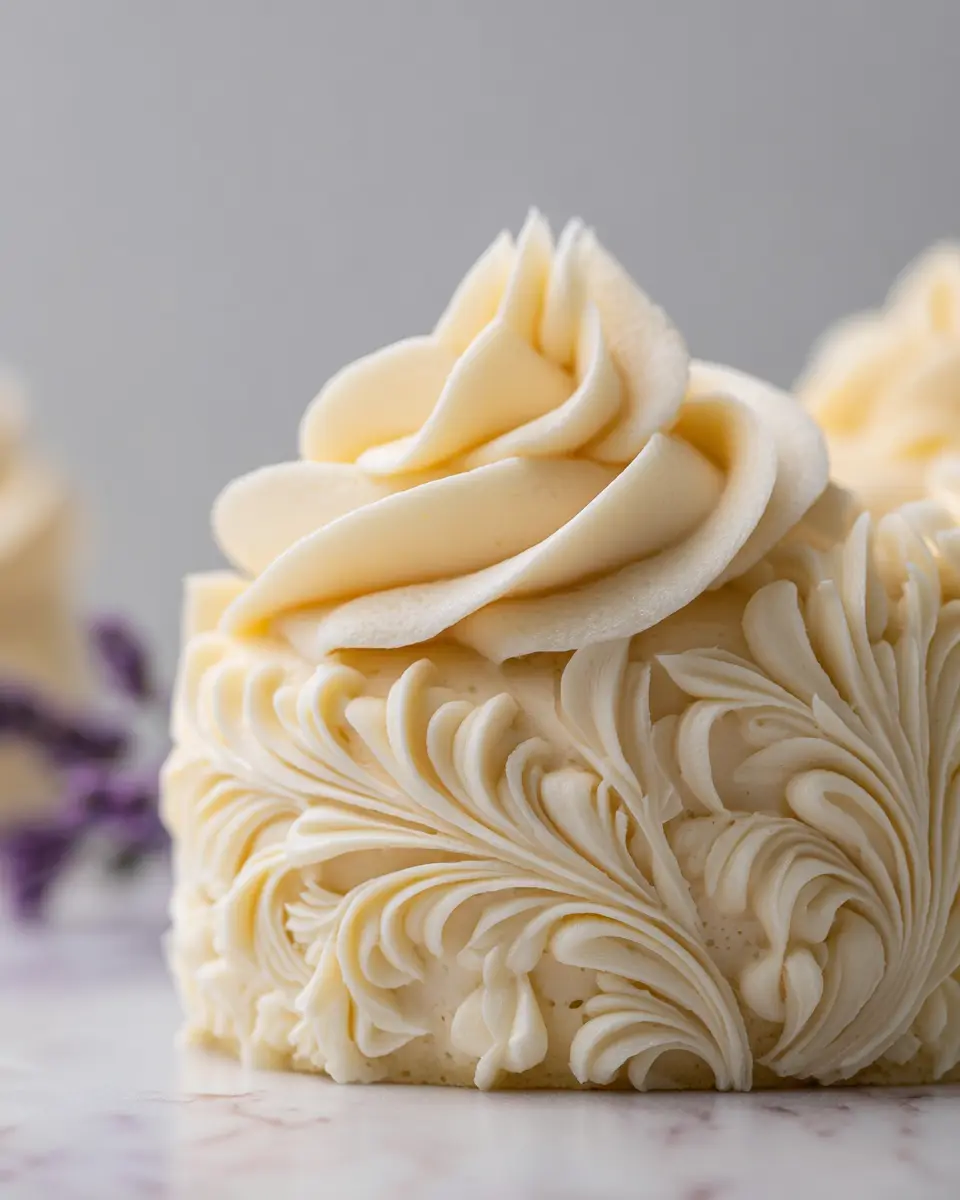
Variations of German Buttercream
Chocolate German Buttercream
If you’re a chocolate lover, transforming your German Buttercream into a decadent chocolate variation is a must-try! Simply melt 4 ounces of high-quality dark chocolate and let it cool slightly. Once your butter and pastry cream have come together, gradually mix in the melted chocolate until you reach your desired richness. This simple addition elevates the flavor profile, making it perfect for cakes and cupcakes.
Flavored German Buttercream
Why stop at plain when you can have customized flavors? Adding a twist to your German Buttercream is as easy as infusing it with espresso, citrus zest, or even almond extract. For a delightful coffee flavor, mix in 1-2 tablespoons of instant coffee granules or a splash of espresso. If bright, zesty notes are more your style, vibrant citrus juices or zests like lemon or orange can create a refreshing contrast to the buttery sweetness. Feel free to experiment!
Cooking Tips and Notes for German Buttercream
How to achieve the perfect consistency
To achieve that silky texture synonymous with German Buttercream, ensure your pastry cream and butter are at the same room temperature before mixing. This harmony between the two ingredients is crucial. Start by beating the softened butter until it’s light and fluffy, then gradually incorporate the pastry cream a spoonful at a time. This slow addition prevents any abrupt changes in texture.
Common pitfalls and how to avoid them
A common pitfall with German Buttercream is splitting or curdling. To avoid this, remember to beat the butter fully before adding in the pastry cream. If your mixture does curdle, try warming it slightly over a double boiler while mixing, and it should come together. For more tips on troubleshooting, refer to the troubleshooting section above the recipe!
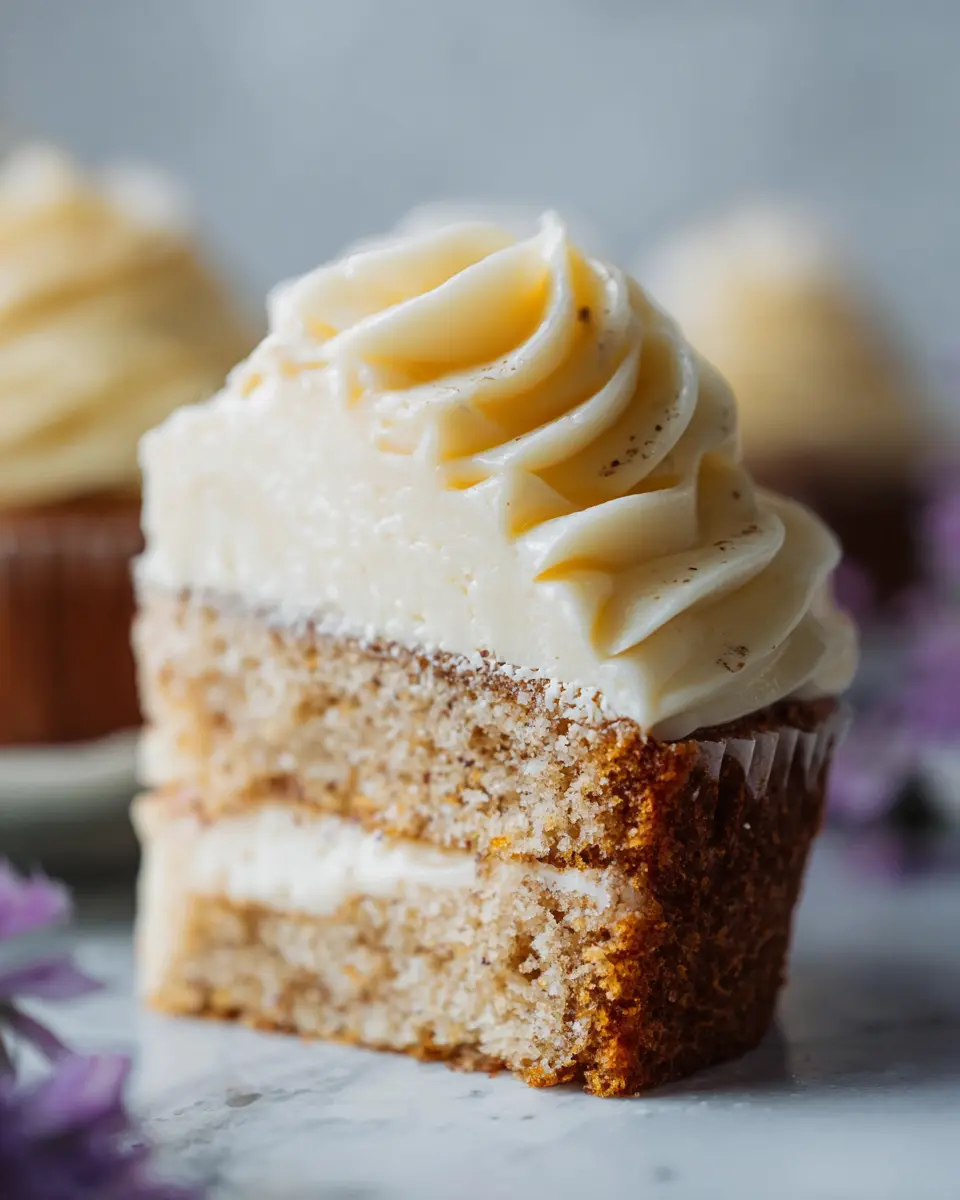
Serving Suggestions for German Buttercream
Decorating Cakes and Cupcakes
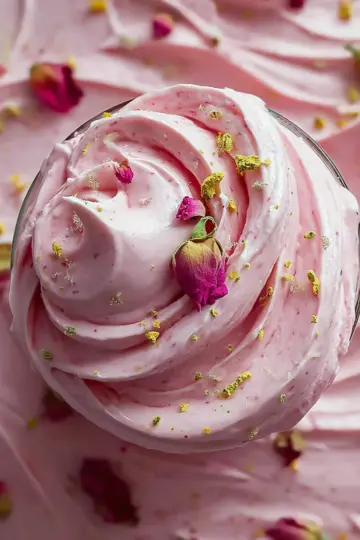
German Buttercream is a delightful choice for frosting cakes and cupcakes, imparting a rich, creamy flavor that elevates any dessert. You can pipe it with a decorative tip for a polished finish, or simply spread it on with a spatula for a more casual look. Consider using contrasting colors—like a chocolate buttercream against a vanilla cake—which not only adds visual appeal but also a delightful taste contrast.
Pairing with Desserts and Pastries
This frosting isn't just limited to cakes! German Buttercream pairs wonderfully with a variety of desserts, such as:
- Brownies: Add a layer of buttercream for a luscious finish.
- Layered Parfaits: Use it to alternate flavors in creamy desserts.
- Pastries: Perfect for filling éclairs or cream puffs, giving them an irresistible richness.
With its velvety texture and buttery flavor, your desserts will not only look exceptional but taste amazing too!
Time Break Down for German Buttercream
Preparation time
Take about 20 minutes to whip up the pastry cream and set it to cool. This step is crucial, as it's the base for your German Buttercream, providing that rich flavor and silky texture.
Cooling time
Allow at least 1-2 hours for the pastry cream to chill completely in the refrigerator. This ensures that it blends perfectly with the softened butter, creating a fluffy consistency.
Total time
From start to finish, you're looking at around 1.5 to 2 hours to make a delightful batch of German Buttercream. This timeframe gives you the flexibility to prep and cool, making it ideal for busy bakers!
For more helpful tips on mastering buttercream, check out this detailed guide on achieving the perfect consistency with various buttercream recipes.
Nutritional Facts for German Buttercream
When indulging in German Buttercream, it’s good to know what’s in it. Here are some key nutritional facts to keep in mind:
-
Calories: A serving packs approximately 346 calories, making it a rich choice for frosting or filling your cakes and pastries.
-
Fats: Expect about 29 grams of fat per serving, with a significant portion being saturated fat at 18 grams. While fat is essential, moderation is key for a balanced diet.
-
Sugar: With roughly 17 grams of sugar, it provides just the right amount of sweetness to complement your desserts without overwhelming them.
Remember, while German Buttercream is undeniably delicious, enjoying it in moderation is the best way to appreciate its creamy goodness. For more information on nutritional values for other desserts, check reputable resources like the USDA FoodData Central.
FAQ about German Buttercream
Why is my German Buttercream curdling?
Curdling in German Buttercream often occurs when the temperature of the components isn’t aligned—specifically, if the pastry cream or butter is too cold. Make sure both ingredients are at a similar, slightly warm temperature before you begin mixing. Additionally, adding the pastry cream too quickly can cause issues. Aim to incorporate it gradually, allowing each spoonful to blend completely before adding more.
How do I store German Buttercream?
To keep your German Buttercream fresh, store it in an airtight container in the refrigerator. It can last up to a week. When you're ready to use it, allow the buttercream to reach room temperature, then give it a quick whip to restore its fluffy texture.
Can I use German Buttercream for layered cakes?
Absolutely! German Buttercream is perfect for layered cakes thanks to its smooth consistency and rich flavor. It pairs beautifully with various cake flavors, enhancing both taste and texture. Just be sure to apply a dam of frosting around the perimeter of each layer to keep any fillings contained.
Conclusion on German Buttercream
Embrace homemade goodness! German Buttercream offers a delightful blend of rich flavors and smooth textures that elevate any dessert. Its unique creation process brings a taste of craftsmanship into your kitchen. So, whether spreading it on a cake or using it to fill cupcakes, enjoy the sweet rewards of your efforts.
Embrace Homemade Goodness!
Making German Buttercream at home not only enhances your baking skills but also guarantees a fresher, more rewarding experience than store-bought options. The combination of the luscious pastry cream and whipped butter results in an indulgent frosting that’s perfect for celebrations or simply treating yourself.
What’s more, this frosting can be tailored to your taste with flavors like chocolate, lemon, or almond. The possibilities are endless! As you embark on your baking journey, remember that each time you make this creamy delight, you’re not just following a recipe — you’re crafting moments of joy for you and your loved ones. So why wait? Dive into the delectable world of homemade German Buttercream!
German Buttercream
Equipment
- Stand Mixer
- Medium-sized bowl
- medium-sized saucepan
- fine mesh strainer
Ingredients
Pastry Cream
- 1 cup whole milk
- 1 cup heavy cream
- 5 large egg yolks discard whites or see note for ideas on how to use leftover egg whites
- ⅔ cup granulated sugar
- ¼ teaspoon table salt
- 3 Tablespoons cornstarch
- 4 Tablespoons unsalted butter cut into 4 pieces
- 1 ½ teaspoons vanilla extract
Frosting
- 1 cup unsalted butter softened (but not so soft that it’s melty/oily)
- ½ cup powdered sugar optional
Instructions
For Pastry Cream
- In a medium-sized bowl, whisk together milk, cream, and egg yolks until thoroughly combined.
- In a medium-sized saucepan, whisk together sugar, cornstarch and salt. While still whisking, drizzle cream mixture into sugar mixture until thoroughly combined and no lumps.
- Cook over medium heat, stirring constantly, until mixture thickens to a pudding-like consistency and coats the back of a spoon.
- Remove from heat and pour through a fine-mesh strainer into a heatproof bowl. Whisk in butter, 1 Tablespoon at a time, and then stir in vanilla extract.
- Place a piece of plastic wrap or parchment paper directly against the surface of the pastry cream and transfer to the refrigerator to cool completely.
For German Buttercream
- NOTE: Pastry cream and softened butter must be the same temperature in order to proceed.
- Place softened butter in the bowl of a stand mixer (or you may use a large bowl and an electric mixer) and use a whisk attachment to beat butter on high speed until fluffy and lightened in color (about 3-5 minutes).
- Reduce mixer speed to medium and begin to gradually add pastry cream, one spoonful (approximately 1-2 Tablespoons) at a time, allowing the first spoonful to be completely incorporated before adding the next.
- Once all pastry cream has been added, slowly increase mixer speed to medium-high and beat until you have a fluffy frosting.
- Taste frosting, stir in powdered sugar if desired, then pipe or spread over cake/cupcakes.

Leave a Reply