
Introduction to German Pancakes
If you're in search of a delightful breakfast that will impress family and friends, look no further than German pancakes. These fluffy, oven-baked creations are an absolute game changer, moving away from the norm of frying individual pancakes on the stovetop. With just a few simple ingredients and minimal hands-on time, you'll be rewarded with a puffy, golden delight that can easily be customized to suit your taste.
Why German Pancakes are the Perfect Homemade Choice
German pancakes shine for several reasons. First, they feed a crowd—perfect for brunch gatherings or lazy weekends when cooking one pancake at a time just won’t do. Secondly, they're incredibly versatile. You can top them with syrup, fresh fruit, or even a sprinkle of powdered sugar for a tasty twist.
Did you know that the base of these pancakes includes eggs, milk, and flour? That makes them not only delicious but also packed with essential nutrients. According to Nutrition Data, a serving can offer a great balance of carbs, protein, and fats. Plus, if you're gluten-sensitive, you can easily adapt them using a good-quality gluten-free flour.
Overall, making German pancakes from scratch is not just simple—it's fun and utterly satisfying. So, let's get started and whip up this wonderful dish that’s sure to become a family favorite!
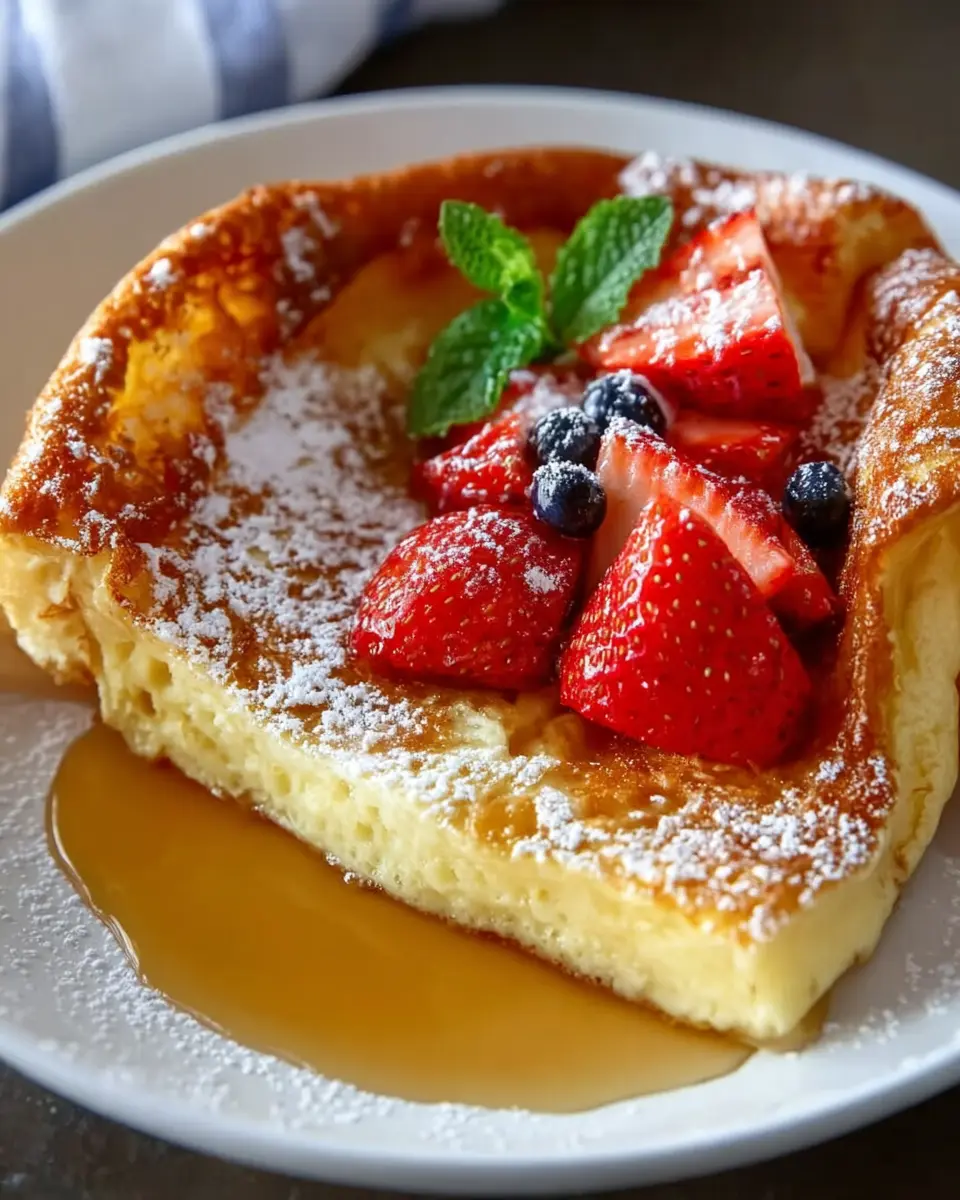
Ingredients for German Pancakes
Essential ingredients for your German pancakes
Creating delicious German pancakes starts with a handful of simple ingredients that you likely already have in your kitchen. Here’s what you’ll need:
- 6 large eggs: The foundation of your pancake batter, providing richness and structure.
- 1 cup milk (240 ml): Whole milk adds creaminess, but feel free to use any milk alternative.
- 1 cup all-purpose flour (120 g): This is key for the pancake’s structure; however, you can opt for gluten-free flour, like Cup4Cup.
- Dash of salt: A pinch enhances the flavors remarkably.
- 1 teaspoon vanilla extract (5 ml): Adds a lovely depth of flavor that pairs well with sweet toppings.
- 5 Tablespoons butter (70 g): This not only helps in baking but also contributes to the pancake’s rich flavor and texture.
Optional add-ins for a twist
Want to elevate your German pancakes? Consider adding some optional ingredients for a unique twist:
- Fresh fruits: Berries, bananas, or apple slices make wonderful additions.
- Chocolate chips or nuts: These can bring a delightful texture.
- Cinnamon or nutmeg: Sprinkle a bit for a warm, spiced flavor.
- Zest of citrus fruits: A hint of lemon or orange zest adds a refreshing note.
Experiment with these ingredients to find your perfect flavor combination!
Step-by-Step Preparation of German Pancakes
Creating a delightful batch of German pancakes is a breeze, and you’re in for a fluffy, delicious treat! Let’s break down the steps to make this mouthwatering dish a reality.
Preheat your oven and prepare the dish
To start, you’ll want to preheat your oven to 425 degrees F. This high temperature is key for achieving the puffiness that German pancakes are famous for. While your oven is heating up, grab a 9x13-inch metal baking dish and place it inside. Next, cut 5 tablespoons of butter and let it melt in the oven as it reaches temperature. This is crucial, as the melted butter might just be the secret to that golden crisp you crave.
Blend the ingredients for the batter
Once your butter is melting away, it's time to prepare your batter. In a blender, add the following ingredients:
- 6 large eggs
- 1 cup milk (about 240 ml)
- 1 cup all-purpose flour (you can also use gluten-free options like Cup4Cup)
- A dash of salt
- 1 teaspoon vanilla extract (optional, but it adds great flavor)
Cover the blender and mix until everything is smooth and well-combined. Don't you love how easy this is? Blending all the ingredients ensures a uniform texture that makes your German pancakes extra fluffy.
Pour the batter over melted butter
Check your oven—if that butter is fully melted and bubbly, carefully remove the dish (watch out, it's hot!). Now, pour your smooth batter right over the melted butter. It’s okay if the butter rises up along the edges; this will create that irresistible crispiness you’re looking for.
Bake to perfection
Now, pop the pan back in the oven! These bad boys will need about 22 to 27 minutes to bake. Keep an eye on them, as you want the edges to turn a lovely golden brown and puff up impressively. The smell filling your kitchen will be an added bonus, tempting everyone to gather around!
Serve and enjoy
When your German pancakes are out of the oven and perfectly puffed, the real fun begins! Dust them generously with powdered sugar and consider pairing them with warm syrup for that classic touch. Feel free to get creative with toppings—fresh fruits, turkey bacon, or even some chicken ham make delicious additions.
Gather your friends or family, serve these fluffy delights, and enjoy the smiles around the table. Who wouldn't love a cozy, warm meal like this? Happy cooking!
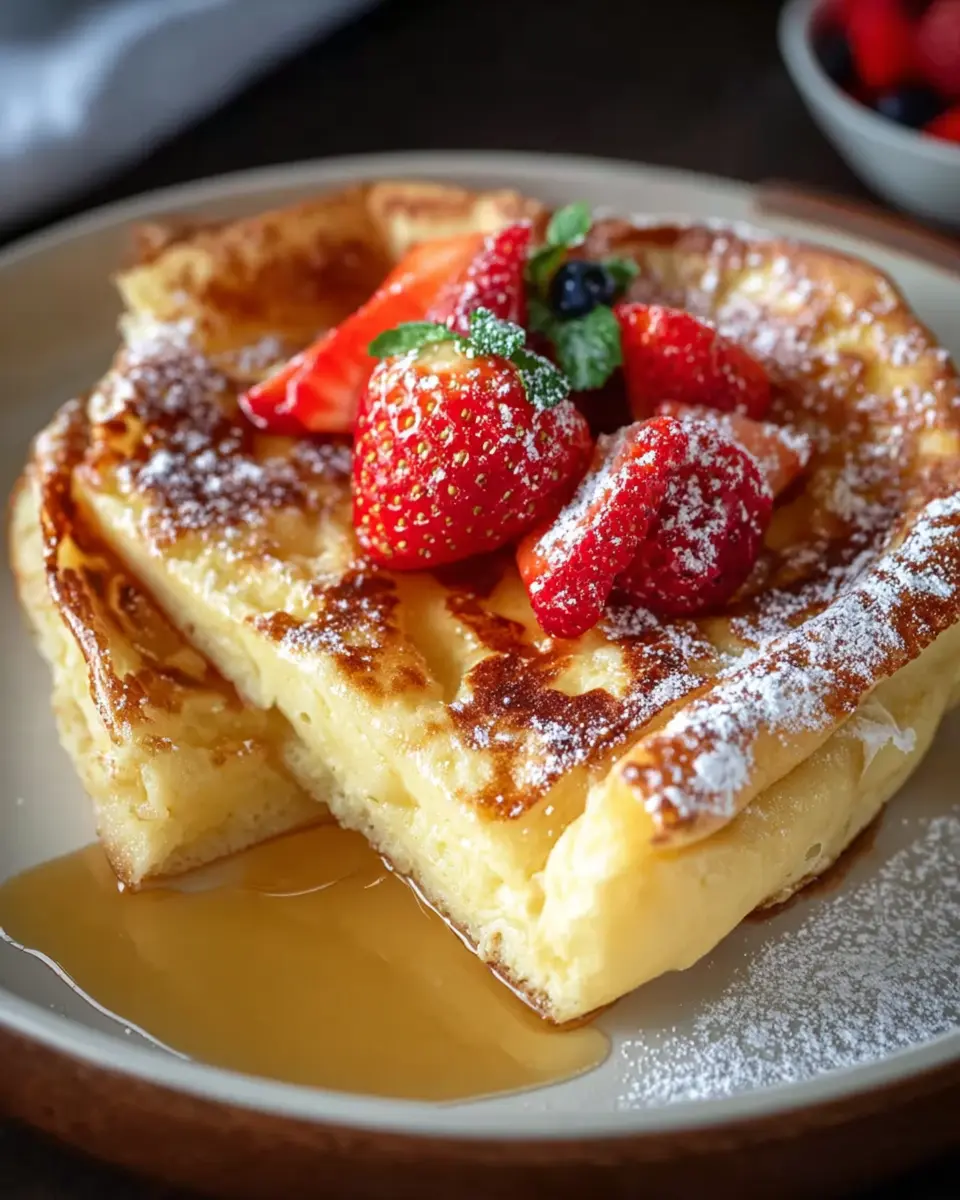
Variations on German Pancakes
German pancakes are incredibly versatile, allowing you to personalize your meal to fit your mood! Here are some delightful variations to consider.
Savory Delights: Turkey Bacon and Chicken Ham
If you're in the mood for something savory, try topping your German pancakes with crispy turkey bacon or savory chicken ham. Just cook up the meat of your choice until crispy, then add it atop the pancakes. A sprinkle of chives or a drizzle of a creamy sauce like ranch can elevate this dish to a gourmet experience.
Sweet Treats: Fruits and Syrup
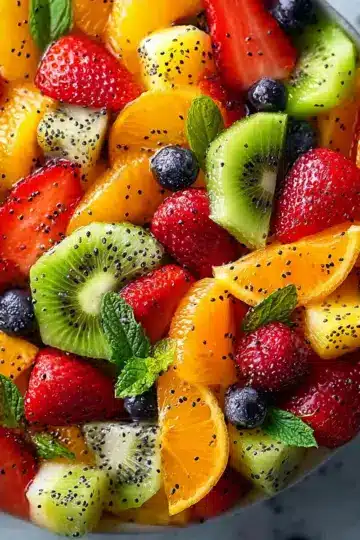
For your sweet tooth, consider loading your German pancakes with a colorful medley of fruits like strawberries, blueberries, or bananas. A generous drizzle of maple syrup or homemade fruit compote adds the perfect finishing touch. Don’t shy away from dusting with powdered sugar for an elegant presentation that’s bound to impress!
Experimenting with these variations not only enhances your breakfast but also makes for a fun cooking experience. Which toppings will you try first?
Cooking Tips and Notes for German Pancakes
Common Pitfalls to Avoid
Making German pancakes can be a breeze, but a few common mistakes can throw a wrench in your plans. Here are some tips:
- Don’t skip preheating: Ensure the oven and butter are hot before pouring in the batter. This is key to achieving those wonderful, puffy edges!
- Avoid over-blending: Blend just until smooth. Overdoing it can make your pancakes tough instead of airy.
Gluten-Free Adaptations
Love German pancakes but need a gluten-free option? You're in luck! Substituting regular flour with gluten-free varieties can be an easy swap. Options like Cup4Cup or King Arthur Measure for Measure work incredibly well, ensuring you still enjoy the delightful puffiness of this dish.
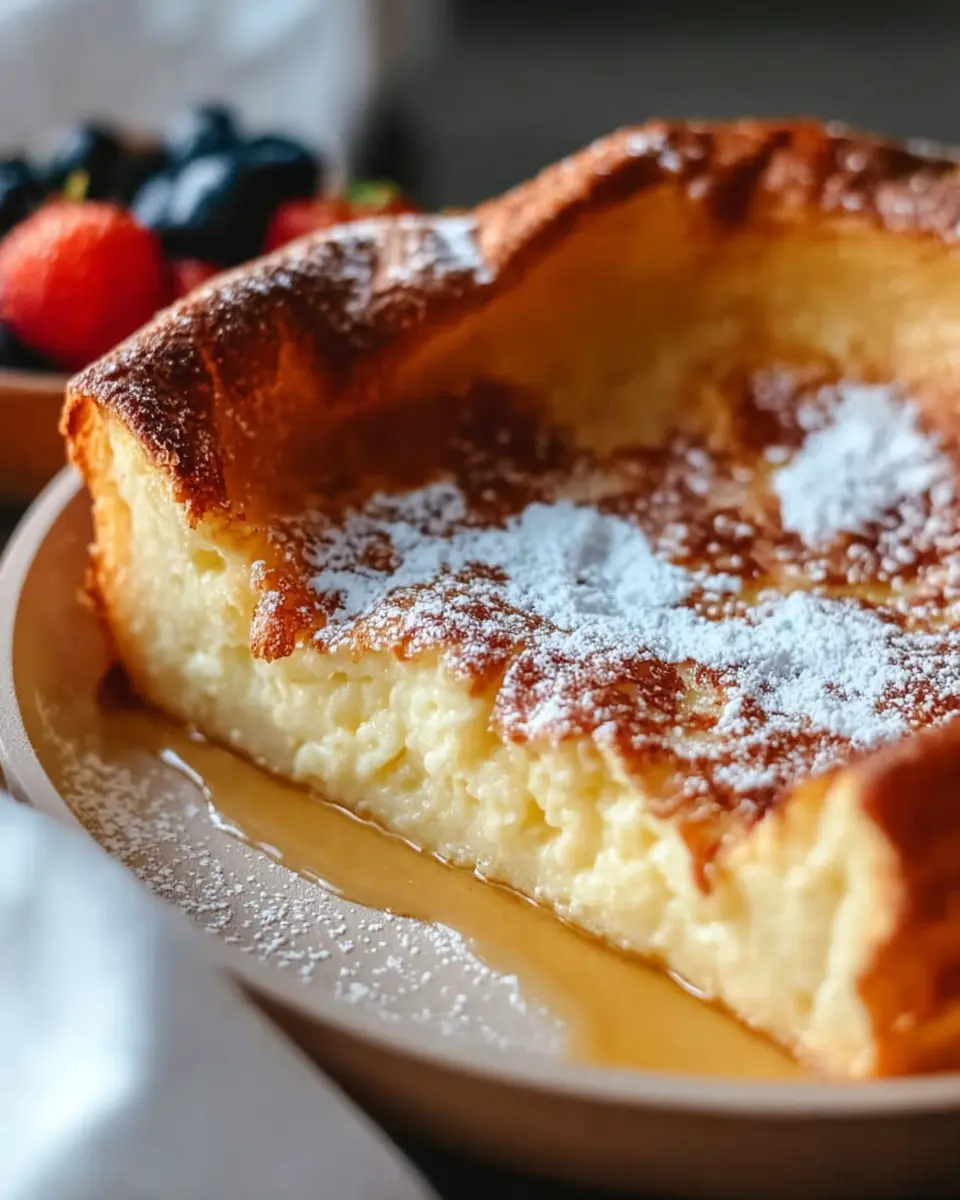
Serving Suggestions for German Pancakes
Toppings that elevate your pancakes
When it comes to German pancakes, the sky’s the limit with toppings! Consider drizzling warm maple syrup or honey for that classic sweetness. For a fruity twist, top with fresh berries like strawberries or blueberries, or serve with sauteed apples and cinnamon. Don’t forget a dusting of powdered sugar to make them visually appealing. Crushed nuts can add a welcome crunch, while a dollop of whipped cream elevates the experience even more.
Ideal accompaniments to complete your meal
To make your meal truly memorable, serve your German pancakes alongside some flavorful sides. Turkey bacon or chicken ham can complement their sweetness beautifully, while scrambled eggs or a light salad can offer a refreshing contrast. For a drink, consider a refreshing smoothie or a cup of coffee to round out the flavors perfectly.
Time Breakdown for German Pancakes
Preparation Time
Getting started on your German pancakes is quick and easy! You’ll need about 10 minutes to gather your ingredients and blend everything together. Just imagine the deliciousness in store as you prep!
Baking Time
Once the batter is ready, pop it into the oven for a delightful 22-27 minutes. You’ll want to keep an eye on them towards the end for that perfect golden-brown finish.
Total Time
In just 32-37 minutes, you can have fluffy, scrumptious German pancakes ready to serve. Perfect for a cozy brunch or a breakfast treat any day of the week!
Nutritional Facts for German Pancakes
Calories and Macronutrients
A typical serving of German pancakes contains around 300 calories, providing a satisfying balance of nutrients. Here's the breakdown:
- Carbohydrates: 21g
- Protein: 10g
- Fat: 18g (of which 9g are saturated)
These pancakes offer a comforting energy source, making them an excellent choice for breakfast or brunch.
Vitamins and Minerals
In addition to calories, German pancakes also pack a vitamin punch! They contain:
- Vitamin A: 720 IU
- Calcium: 92 mg
- Iron: 2.1 mg
- Cholesterol: 231 mg
- Sodium: 197 mg
These vitamins and minerals can contribute to overall health, supporting everything from eye health to bone density. Consider serving your German pancakes with fresh fruits or a drizzle of maple syrup to enhance their nutritional value further!
For additional insights into the nutritional value of breakfast foods, you might find this resource from the USDA helpful.
Embrace the deliciousness and nutritional benefits of your German pancakes — they're sure to become a beloved dish at your table!
FAQs about German Pancakes
What’s the difference between German pancakes and regular pancakes?
German pancakes are distinct from traditional pancakes in several ways. They’re baked rather than fried, which gives them a unique, puffy texture and a custard-like insides. Unlike regular pancakes that require flipping, German pancakes expand dramatically in the oven, creating airy edges that are perfect for holding syrup or fruit toppings. If you're curious about the evolution of pancake recipes, this article delves into their history and variations!
How can I make my German pancakes fluffier?
To achieve fluffier German pancakes, ensure you blend the batter until it's completely smooth. Incorporating air into the mixture is crucial, so consider using fresh eggs at room temperature. Additionally, letting the batter rest for about 10 minutes before baking can produce even better results. Another tip? Don’t skip preheating the butter in the baking dish; it helps create that signature rise!
Can I prepare the batter in advance?
You can prepare the batter ahead of time and refrigerate it for a few hours, though for the best texture, mix it only just before baking. If you do prep it early, give it a gentle stir before pouring it into the dish. This way, the batter stays light and airy, ensuring your German pancakes turn out perfectly fluffy!
Conclusion on German Pancakes
Making German pancakes at home is a delightful experience that brings joy to breakfast or brunch. With just a handful of ingredients, you can create a fluffy, golden treat that impresses everyone. So, gather your eggs and flour, and start flipping these scrumptious pancakes today!
Why You Should Try German Pancakes
If you’re on the fence about trying out this recipe, let me encourage you: the simplicity and deliciousness of German pancakes will won’t disappoint. Picture this: a cozy morning, the aroma of baked pancakes filling the kitchen, and a plate piled high, dusted with powdered sugar, ready to be devoured!
Plus, experimenting with toppings can be fun. Want to sway towards fruity? Go for fresh berries and cream. Prefer something savory? Try topping with Turkey Bacon or Chicken Ham!
So, gather your friends or loved ones, and enjoy a delightful breakfast experience that feels special yet effortless. Your kitchen is waiting to see your culinary skills shine! If you’re ready to venture deeper into brunch magic, try pairing your pancakes with homemade syrup or side dishes that complement their rich texture.
Happy cooking!
German Pancakes
Equipment
- blender
- 9x13-inch metal baking dish
- oven
Ingredients
- 6 large eggs
- 1 cup milk (240 ml)
- 1 cup all-purpose flour (120 g)
- dash salt
- 1 teaspoon vanilla extract (5 ml)
- 5 Tablespoons butter (70 g)
Instructions
- Preheat oven to 425 degrees F.
- As oven preheats, put the butter in an un-greased 9x13-in. metal baking dish and place in oven, just until melted.
- Place the eggs, milk, flour, salt and vanilla in a blender; cover and process until smooth. Pour batter into baking dish, over melted butter.
- Bake, for 22-27 minutes or until edges are golden brown and puffy.
- To serve, sprinkle generously with powdered sugar and syrup.

Leave a Reply