
Introduction to Homemade Sandwich Bread
Why Making Your Own Bread is a Game-Changer
Have you ever taken a bite of a store-bought sandwich and thought, "I wish this was fresher"? If so, it's time to consider making your own homemade sandwich bread. The difference is, quite frankly, remarkable. Not only can you control the ingredients—ensuring everything from the quality of your flour to the absence of preservatives—but the satisfaction of kneading the dough and watching it rise is truly rewarding.
According to a 2021 report from the American Baker's Association, bread making has seen a resurgence, especially among young professionals looking for healthier alternatives and a more engaging hobby. Baking your own bread allows you to experiment with flavors and textures that pre-packaged varieties simply can't match.
Imagine sinking your teeth into a soft, warm slice of homemade bread, freshly slathered with butter or stuffed with your favorite fillings, like turkey bacon or chicken ham. It's not just food; it's a way to express your culinary skills and even create memorable experiences around the table with friends and family.
Ready to dive in? Let’s get started with this easy homemade sandwich bread recipe that promises to elevate your lunch game!
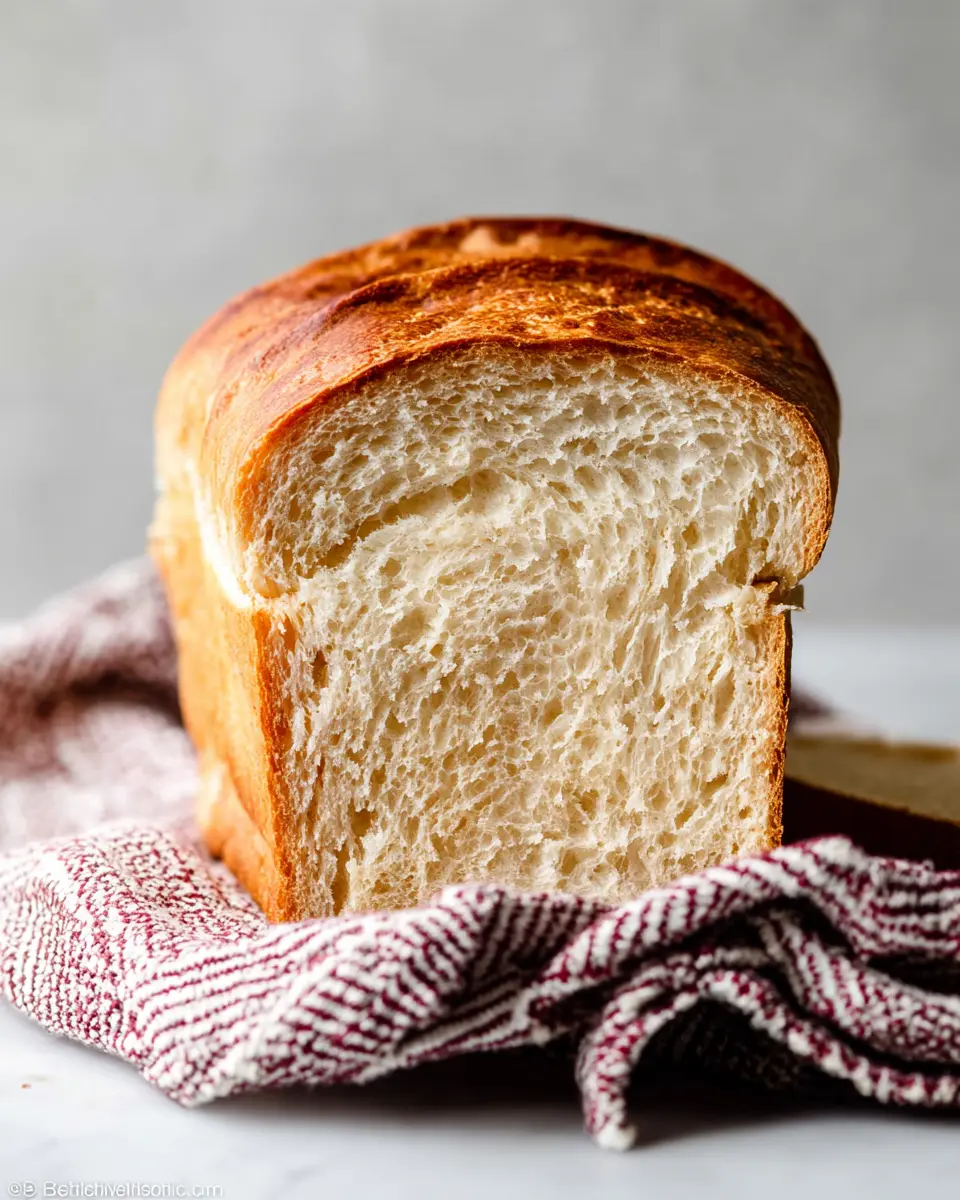
Ingredients for Homemade Sandwich Bread
Essential ingredients you'll need
To create your perfect homemade sandwich bread, there are a few fundamental ingredients that you simply cannot skip:
- 2 ¼ tsp dry active yeast: This is the key player that helps your bread rise.
- 1 cup lukewarm water: Warm water activates the yeast, ensuring a light, fluffy texture.
- 1 ½ tsp sugar: This feeds the yeast, enhancing the bread's flavor and browning.
- ½ cup milk: Adds richness and tenderness to your loaf.
- 1 tsp salt: Essential for flavor—don’t leave this out!
- 3 cups bread flour: The backbone of your bread, providing structure and strength.
For more insights on why these ingredients are crucial, you can check out guides on baking from the King Arthur Baking Company.
Optional add-ins for extra flavor
Want to elevate your homemade sandwich bread recipe? Consider adding these optional ingredients for a twist:
- Honey or Maple Syrup: For a touch of sweetness that complements sandwiches beautifully.
- Herbs: Try adding dried basil or oregano for a savory flavor profile.
- Seeds: Sprinkle in sesame or sunflower seeds for a delightful crunch.
- Cheese: Shredded cheese can impart richness and flavor to your bread.
Experimenting with these ingredients not only personalizes your recipe but makes your sandwiches even more delicious! What’s your favorite add-in for bread?
Step-by-Step Preparation of Homemade Sandwich Bread
Baking your own bread can feel like an art form, but with this homemade sandwich bread recipe, you'll find it’s easier than you think! Perfect for all your favorite sandwiches, let’s dive into the simple steps that will transform basic ingredients into a delightful loaf.
Prepare the Yeast Mixture
Start by creating a lively yeast mixture. In a large mixing bowl, combine 1 cup of lukewarm water, ½ cup of milk, 1½ teaspoons sugar, and 2¼ teaspoons active dry yeast. Stir the mixture gently and let it sit for about 5-10 minutes. You should see little bubbles forming - this means your yeast is activating! If you’re curious about how yeast works, check out this informative guide.
Combine with Flour and Salt
Now it’s time to incorporate the dry ingredients. Add 3 cups of bread flour and 1 teaspoon of salt to your yeast mixture. Mix everything together until it forms a shaggy dough. The salt is crucial as it helps strengthen the gluten—don’t skip it!
Knead the Dough for Perfect Texture
Kneading is where the magic happens! Place the dough on a floured surface or in a stand mixer with a dough hook. Knead for about 10 minutes until the dough is smooth and elastic. The dough should bounce back when poked; if it’s a bit sticky, add a sprinkle more flour. Want to know more on how to knead effectively? Here’s a good read on the topic here.
Let it Rise for the First Time
Once kneaded, place your dough in a lightly oiled bowl. Cover it with a towel and let it rise in a warm place for about 90 minutes, or until it’s doubled in size. This rise is crucial as it develops flavor and texture.
Shape the Dough into a Loaf
After the first rise, gently punch the dough down to release air. Turn it out onto a floured surface and shape it into a loaf. Press into a rectangle, fold the sides in, and roll it tightly into a cylinder. Pinch the seams to seal well.
Allow for the Second Rise
Now, place your shaped loaf seam-side down in a greased loaf pan. Cover it again and let it rise for an additional 30 minutes. This second rise helps create that fluffy texture we all love.
Preheat Oven and Prepare for Baking
While the dough rises, preheat your oven to 400°F (200°C). For added gloss on the crust, whisk together 1 egg, 1 teaspoon of water, and a pinch of salt. Brush this mixture over the dough for a lovely finish.
Bake Until Golden Brown
It’s time to bake! Place your loaf in the oven and bake for 40-45 minutes, or until the bread is golden brown and sounds hollow when tapped on the bottom. That's the sound of success!
Cool and Slice for Enjoyment
Finally, take the bread out of the oven and allow it to cool in the pan for about 10 minutes. Then, transfer to a wire rack. Let it cool completely before slicing. Now, you’re ready to enjoy your warm, freshly baked homemade sandwich bread—perfect for lunch with turkey bacon or chicken ham!
Baking bread at home isn’t just rewarding, it also fills your kitchen with an aroma that can’t be beaten. So, what are you waiting for? Get your ingredients together and start this baking adventure!
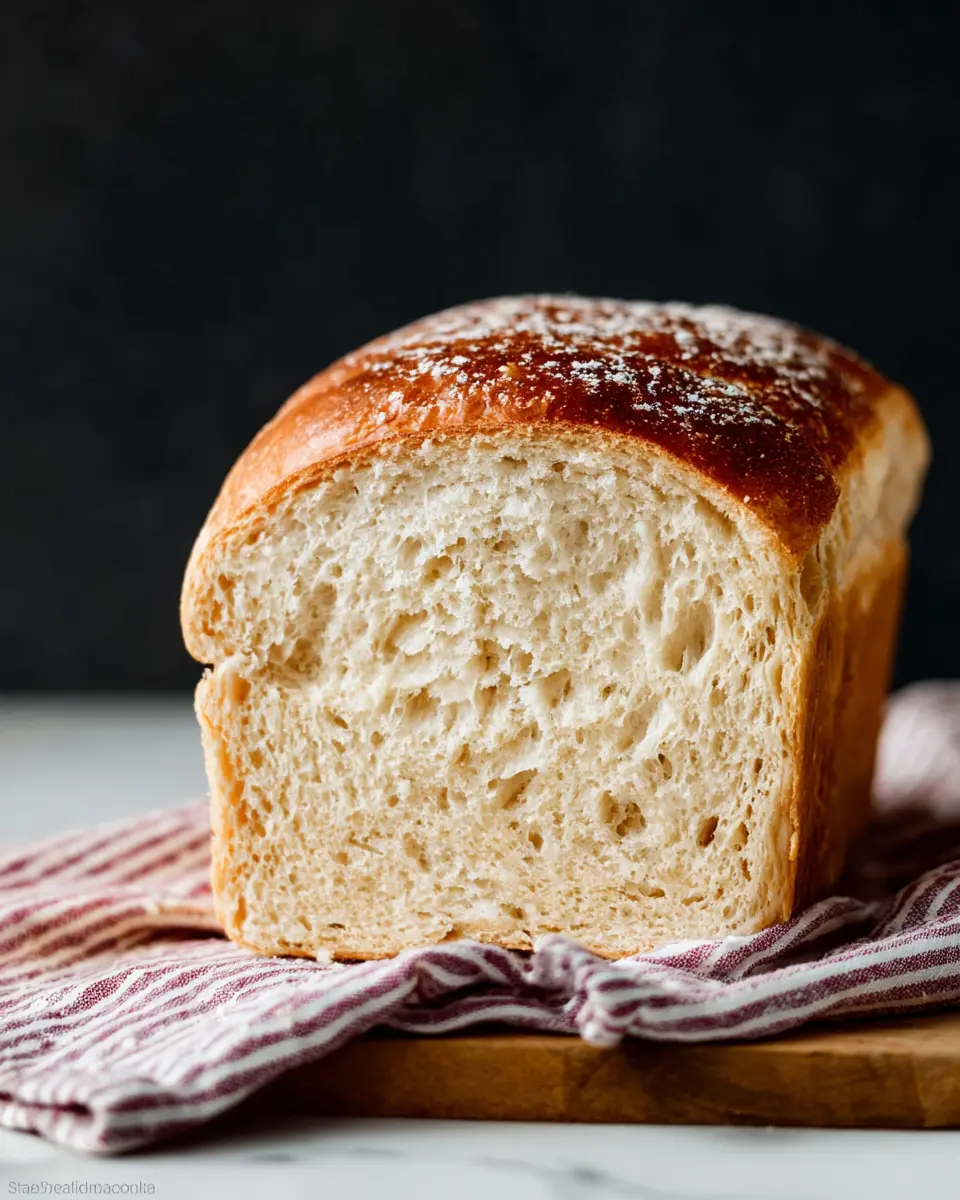
Variations of Homemade Sandwich Bread
Whole Wheat Sandwich Bread
For a healthier twist on your homemade sandwich bread recipe, try using whole wheat flour. It adds a nutty flavor and increases the fiber content, making your sandwiches not just tasty but nutritious! Simply replace about half of the bread flour with whole wheat flour. You might need to increase the liquid slightly; feel free to experiment to find the right texture.
Herb-Infused Sandwich Bread
Elevate your sandwich game with an herb-infused sandwich bread! Adding dried herbs like rosemary, thyme, or oregano will infuse your bread with an aromatic flair that pairs beautifully with many fillings, from turkey bacon to chicken ham. Incorporate 1-2 tablespoons of your chosen herbs during the mixing step, and enjoy the delightful aroma as it bakes!
By experimenting with these variations, you can create a delightful sandwich experience tailored to your taste! For more culinary tips, check out resources like the Food Network or Bon Appétit for inspiration.
Cooking Tips and Notes for Homemade Sandwich Bread
Common mistakes to avoid
When making your homemade sandwich bread recipe, a few common pitfalls can derail your baking success:
- Incorrect Yeast Activation: Make sure your water is lukewarm, not hot. Too high temps can kill the yeast.
- Not Kneading Enough: An under-kneaded dough will yield a denser bread. Aim for that smooth, elastic texture!
- Skipping the Rise Time: Patience is key! Allow the dough ample time to rise; this develops flavor and texture.
How to achieve a perfect crust
For a crust that’s golden and crispy, consider these tips:
- Egg Wash: Brushing an egg wash (egg mixed with a little water) gives your bread that shiny finish.
- Steam in the Oven: Place a tray of hot water in the oven while baking. This steam helps create a crunchy crust.
- Proper Cooling: Let your bread cool on a wire rack to prevent sogginess.
Happy baking! For more tips, check out resources like King Arthur Baking or The Spruce Eats for inspiration.
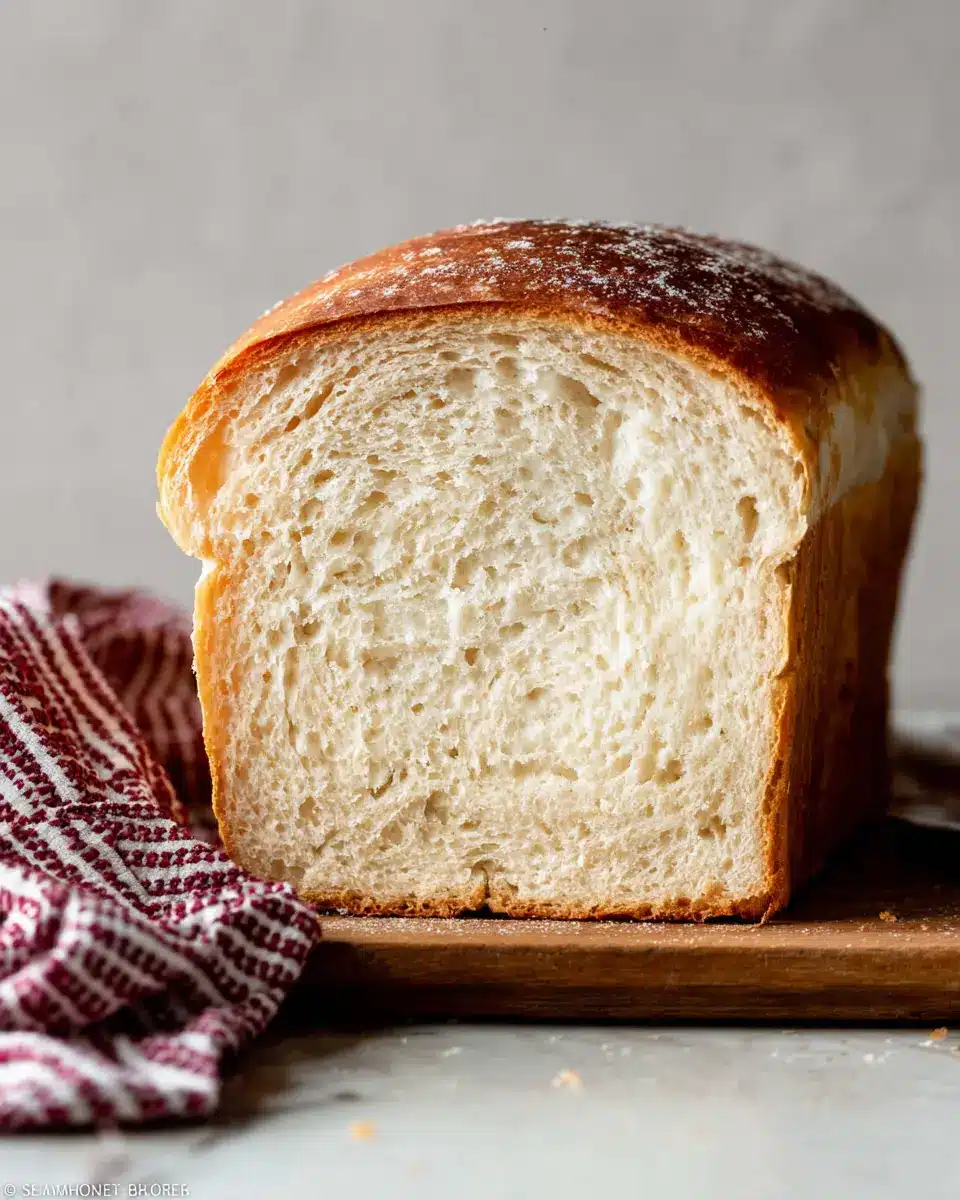
Serving Suggestions for Homemade Sandwich Bread
Ideal ways to enjoy your fresh bread
Once your homemade sandwich bread is perfectly baked and cooled, the possibilities are endless! Enjoy it fresh, toasted, or even as a base for decadent sandwiches. Try it with simple spreads like butter or jam for breakfast, or whip up a classic grilled cheese for a cozy lunch. Need a quick dinner idea? Layer it with seasonal veggies for a hearty veggie sandwich.
Best pairings for sandwich creations
The texture and flavor of your homemade sandwich bread recipe can elevate any filling. Consider pairing it with:
- Turkey Bacon and avocado for a protein-packed option.
- Chicken Ham with honey mustard and greens for a balanced meal.
- Roast Beef with horseradish sauce for some zest.
For a refreshing drink, consider pairing your sandwiches with iced herbal tea or sparkling water infused with lemon. Check out this guide on seasonal sandwich pairings for even more delicious inspiration!
Time Breakdown for Homemade Sandwich Bread
Preparation Time
The initial prep for your homemade sandwich bread recipe is about 15-20 minutes. This includes mixing ingredients and kneading the dough until smooth and elastic.
Rising Time
Be patient—good things take time! The dough needs to rise for a total of about 120 minutes: 90 minutes for the first rise and 30 minutes after shaping.
Baking Time
Once your dough has risen, it’s time to bake it for 40-45 minutes at 400°F (200°C). Your kitchen will smell incredible during this time!
Total Time
In total, you’re looking at approximately 4 hours from start to finish, including rising and baking. But don’t worry; most of this time is hands-off, letting you enjoy a coffee break or tackle a quick chore. Enjoy making your delicious homemade sandwich bread!
For more detailed tips, check out this guide on how bread rises. And if you want to explore variations, you can find additional resources on different bread-making techniques.
Nutritional Facts for Homemade Sandwich Bread
Calories per slice
One slice of your freshly baked homemade sandwich bread contains approximately 90-100 calories, making it a wholesome choice for breakfast or lunch. It’s versatile enough to pair perfectly with protein-rich fillings, adding to its nutritional allure.
Carbohydrates and protein content
Each slice delivers around 18 grams of carbohydrates, providing the essential energy you need for your busy day. Additionally, it offers about 3-4 grams of protein, making it a satisfying foundation for all kinds of sandwiches, from turkey bacon to chicken ham.
Sodium levels
With only 130-150 mg of sodium per slice, this homemade sandwich bread recipe is lower in salt than many store-bought alternatives. This helps support a balanced diet while giving you the freedom to add your preferred toppings without overdoing it on sodium.
For further reading and more nutritional insights, you might want to check out resources like the USDA FoodData Central or NutritionData. They offer detailed nutritional breakdowns that can help you make informed choices about your meals.
FAQs about Homemade Sandwich Bread
Can I use instant yeast instead of active dry yeast?
Absolutely! You can substitute instant yeast for active dry yeast in your homemade sandwich bread recipe. Just use the same amount—2 ¼ teaspoons—and mix it directly with your dry ingredients without needing to activate it in water first. This can save you some prep time, making your baking experience even smoother.
How do I store homemade bread properly?
To keep your freshly baked bread delicious and soft, store it in a cool, dry place at room temperature. Wrapping it in a clean kitchen towel or placing it in a paper bag allows it to breathe while preventing it from becoming too hard. If you notice it starting to lose moisture, try switching to a plastic bag.
Is there a way to freeze homemade bread?
Yes, freezing is a great option! Once your homemade sandwich bread has completely cooled, slice it (if you prefer) and wrap it tightly in plastic wrap or aluminum foil. Place it in a freezer-safe bag for up to 3 months. When you’re ready to enjoy your bread, simply thaw it at room temperature or warm it in the oven for a few minutes.
For more tips on bread storage, check out King Arthur Baking or The Bread Companion.
Conclusion on Homemade Sandwich Bread
Choosing to make your own sandwich bread can significantly enhance your meals and boost your culinary prowess. Homemade sandwich bread is fresher, healthier, and free from preservatives found in store-bought versions. Plus, customizing flavors and textures allows you to create your perfect loaf. So, why not give it a try?
The Benefits of Homemade vs. Store-Bought Bread
Making bread at home not only saves you money but also offers a delightful experience. Here are some advantages of choosing homemade bread:
- Control Over Ingredients: You can select high-quality ingredients and avoid preservatives or artificial additives.
- Freshness: There's nothing quite like the aroma of freshly baked bread filling your kitchen. It just feels good!
- Customization: Experimenting with different flours, seeds, or herbs allows you to tailor the bread to your taste preferences.
- Healthier Option: Homemade bread can be made with whole grains and less sugar, making it a healthier choice.
For more tips on baking and incorporating homemade bread into your meals, check out Serious Eats for great recipe ideas. Enjoy your baking journey!
Homemade Sandwich Bread Recipe
Equipment
- Mixing Bowl
- Dough hook
- loaf pan
- oven
Ingredients
Yeast Mixture
- 2 ¼ teaspoon dry active yeast
- 1 cup lukewarm water
- 1 ½ teaspoon sugar
- ½ cup milk
Dough Ingredients
- 1 teaspoon salt
- 3 cups bread flour
Instructions
Make the Dough
- Prepare the Yeast Mixture: In a large mixing bowl, combine 1 cup of lukewarm water, ½ cup milk, 1 ½ teaspoons sugar, and 2 ¼ teaspoons active dry yeast. Stir to combine, and let it sit for 5-10 minutes until it becomes frothy.
- Combine with Flour and Salt: Add 3 cups of bread flour and salt to the yeast mixture.
- Knead the Dough: In a stand mixer with a dough hook or by hand on a floured surface, knead the dough for about 10 minutes until it’s smooth and elastic.
- First Rise: Place the dough in an oiled bowl, cover it with a towel, and let it rise for about 90 minutes, or until it has doubled in size.
- Shape the Dough: Punch down the dough, then turn it onto a lightly floured surface. Shape it by pressing it into a rectangle, folding in the sides, and rolling it into a cylinder. Pinch the seams tightly.
- Second Rise: Place the shaped dough seam-side down into a greased loaf pan. Cover and let it rise for 30 minutes.
- Preheat and Apply Egg Wash: Preheat your oven to 400°F (200°C). In a small bowl, whisk together 1 egg, 1 teaspoon water, and a pinch of salt. Brush this over the top of the dough.
- Bake: Bake for 40-45 minutes until the loaf is golden brown and sounds hollow when tapped on the bottom.
- Cool and Enjoy: Allow the bread to cool before slicing and enjoy your freshly baked homemade sandwich bread!




Leave a Reply